Overcoming Stage 3 Ovarian Cancer at Saint Thomas
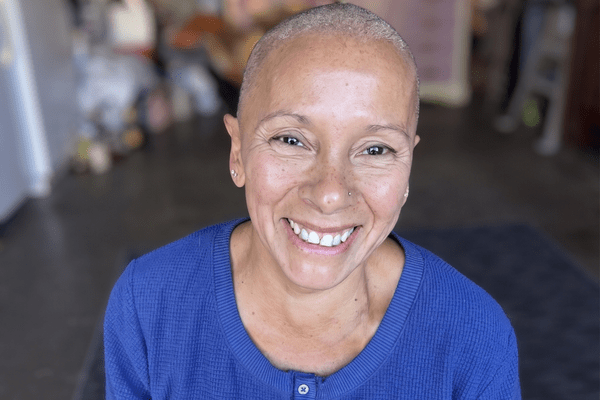
Dolores Campbell overcame stage 3 ovarian cancer after receiving swift, life-saving surgery and chemotherapy from Mali Schneiter, DO, at Ascension Saint Thomas Midtown in Nashville.
When Dolores Campbell began feeling unwell around Labor Day in 2024, she assumed she had a stomach bug. But after returning home to Hendersonville, her symptoms quickly spiraled. Simple meals felt overwhelming. Within a week, her abdomen began to swell noticeably as fluid accumulated in her belly.
"I had never been sick in my life, outside of early-stage rheumatoid arthritis," Dolores said. "By the time I got in to see a doctor, I looked nine months pregnant and it was miserable. I couldn't breathe, and I couldn't even eat a cracker."
Her gastroenterologist arranged for a procedure called a paracentesis to drain the excess abdominal fluid and relieve her pain. Given Dolores’s history of alcohol use following the unexpected loss of her husband five years earlier, initial concerns centered on liver damage. However, diagnostic testing on the fluid brought an entirely unexpected revelation: cancer cells were present. Her gastroenterologist immediately referred Dolores to Dr. Mali Schneiter, gynecologic oncologist, who diagnosed her with advanced stage ovarian cancer that had spread throughout her abdominal cavity.
"It was shocking and scary," Dolores said. "Everything happened within three weeks, so it all felt very fast.”
Dolores immediately began an intensive treatment plan. She started with five rounds of neoadjuvant chemotherapy—treatment given prior to surgery to shrink tumors and slow the cancer's spread. She then underwent extensive surgery at Ascension Saint Thomas Midtown in Nashville called a tumor debulking surgery to remove the cancer and any affected tissues, including her peritoneal lining, gynecologic organs, and appendix. While she was still open on the operating table, her surgical team performed a specialized procedure known as HIPEC, or heated intraperitoneal chemotherapy. This technique delivers warm, concentrated cancer medication directly into the abdominal cavity for an hour to destroy any microscopic cancer cells hidden in hard-to-reach places before the incision is closed. Following surgery, Dolores completed four final rounds of adjuvant chemotherapy to ensure her body was completely clear of remaining disease.
Though the physical changes were challenging, Dolores found strength through her family. Her seven-year-old granddaughter became her guiding light, turning the hard moment of losing her hair into a playful memory. "She’s been my lifesaver through all of this," Dolores said. "When we told her I was going to lose my hair, I said, 'You know what? We can make it fun. You can bedazzle my head with all your stickers.' And she did! That was a lot of fun."
Following her primary treatment, Dolores attempted to take a daily maintenance chemotherapy pill designed to keep the cancer from returning. However, the medication severely depleted her blood cells and led to nine separate blood transfusions. Recognizing that her body needed to heal, Dolores and her medical team agreed to stop the pill. She shifted her focus toward holistic healing, prioritizing whole-food nutrition, daily homemade bone broth, and maintaining a positive mindset. "I just told myself, 'You can't go to a dark place. You've got to stay positive, keep happy thoughts, and keep moving forward,” she said.
Now approaching two years cancer-free, Dolores continues her regular follow-up scans while enjoying life with her children, her granddaughter, and her new grandson in Gallatin.
Dolores credits her recovery to both compassionate medicine and an unwavering support system. "I've never met so many nice, comforting people," she said. "To actually be a part of that care and feel so supported was amazing. I thank God every day, and I'm ready for what's next in the second half of my life."
Early detection and compassionate care can make all the difference. Schedule an appointment with an Ascension Saint Thomas specialist today or learn more about our Women’s Comprehensive Cancer Center.
Last updated: septiembre 16, 2026