What do your blood pressure numbers mean?
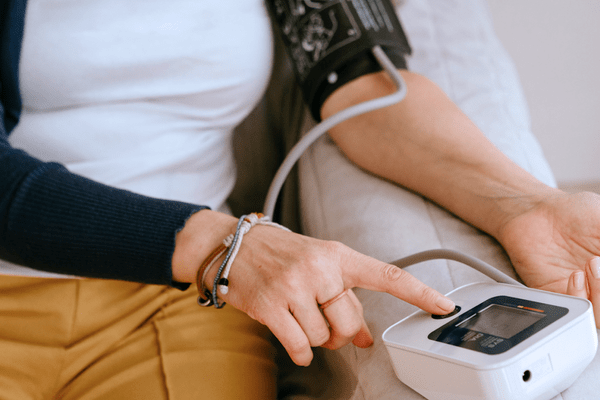
Blood pressure readings include two numbers: systolic and diastolic. Together, they show how much pressure blood puts on your artery walls when your heart beats and rests. An ideal blood pressure reading is less than 130/80.
You leave your annual checkup feeling good — until you glance at the paperwork and notice that your blood pressure is 138/86. Is that high? Should you be worried? Does one reading mean you have high blood pressure?
Blood pressure is one of the most important indicators of heart health, yet many of us aren't sure what the numbers actually mean (or what to do if one reading is higher than expected). The good news is that one blood pressure reading doesn't tell the whole story.
Understanding what the top and bottom numbers represent —and knowing when they indicate a follow-up is needed — can help you take charge of your heart health.
We asked Dr. Rina Verma, a cardiologist at Ascension Medical Group Illinois - Heart and Vascular Care Elk Grove, to explain what you should know about your blood pressure numbers.
“Blood pressure is one of the most important indicators of your cardiovascular health, but a single reading isn’t going to reveal the state of your overall health," says Dr. Verma. "Your doctor looks at repeated readings, how your blood pressure was measured, your symptoms and your overall health to determine whether you need treatment or it’s something you should monitor on a regular basis."
What do your blood pressure numbers mean?
Your blood pressure reading has two numbers. These numbers measure how hard your blood is pushing against your artery walls.
- Systolic blood pressure (top number): Measures the pressure when your heart beats
- Diastolic blood pressure (bottom number): Measures the pressure when your heart rests between beats
Blood pressure is measured in millimeters of mercury (mm Hg) and written as two numbers, such as 120/80 mm Hg. Together, these numbers help give your doctor a glimpse into your heart health and whether your blood pressure is in a healthy range.
“People often worry after seeing one high number," explains Dr. Verma. "But we look for patterns over time versus just one reading."
What is a normal blood pressure reading?
|
Category |
Systolic/top number |
Diastolic/bottom number |
|
Normal |
Less than 120 |
And less than 80 |
|
Elevated |
120–129 |
And less than 80 |
|
Stage 1 hypertension |
130–139 |
Or 80–89 |
|
Stage 2 hypertension |
140 or higher |
Or 90 or higher |
|
Hypertensive crisis / severely elevated |
Higher than 180 |
And/or higher than 120 |
These categories are helpful, but context matters:
- Blood pressure categories are based on repeated readings, not a single measurement
- Your blood pressure can temporarily rise because of things like stress, caffeine, nicotine, exercise, pain, illness or even rushing to an appointment
- If your readings are consistently elevated or high, talk with your doctor about any next steps
Can blood pressure be too low?
Yes, blood pressure can be too low — but it's usually only a concern if it causes symptoms or is much lower than what's normal for you, says Dr. Verma. Low blood pressure is called hypotension.
A systolic (top) number below 90 mm Hg may be considered low.
“Some people naturally have lower blood pressure and feel perfectly well,” says Dr. Verma, “while others may experience symptoms like dizziness, lightheadedness, fainting, weakness or fatigue.”
Low blood pressure can happen for many reasons, including:
- Being dehydrated
- Taking certain medications, like pain medications or muscle relaxants
- Having an active infection
- Certain medical conditions, like thyroid disease or diabetes
If your blood pressure suddenly drops lower than usual, stays low or is causing symptoms like the ones mentioned above, it’s time to give your doctor a call.
Which blood pressure number matters more?
Both blood pressure numbers are important. That’s because a high reading in either the top number (systolic) or the bottom number (diastolic) could be a sign of high blood pressure.
For adults age 50 or older, healthcare providers often pay closer attention to the systolic number because it naturally tends to rise with age and can be a strong indicator of heart disease and stroke risk.
But that doesn't mean you should ignore the diastolic number since both numbers help give a complete picture of your heart health.
What does an elevated blood pressure reading mean?
An elevated blood pressure reading means your blood pressure is higher than normal but not yet in the high blood pressure (or hypertension) range. One elevated reading doesn't necessarily mean you have hypertension.
Still, if your readings stay elevated over time, don't ignore them, cautions Dr. Verma. Your doctor can help you understand what's causing higher than normal readings and whether treatment is needed.
An elevated reading is not a reason to panic, but it is a reason to pay attention. If your readings stay elevated over time, your doctor may recommend home monitoring, lifestyle changes or other steps to help reduce your risk of developing hypertension.
“An elevated blood pressure reading is an early warning sign, not a reason to panic," says Dr. Verma. "It’s an opportunity to make healthy lifestyle changes now, before high blood pressure develops."
What’s considered high blood pressure?
High blood pressure means your blood pressure stays higher than it should be over time. In other words, your heart has to work harder to pump blood through your body.
One of the trickiest things about high blood pressure is that you usually can't feel it, says Dr. Verma. You may feel perfectly healthy and still have high blood pressure. That's why high blood pressure is often called a "silent" condition.
The only way to know if your blood pressure is high? Have it checked. Many people don't know they have high blood pressure until it's found during a routine checkup.
"Many of my patients are surprised to learn that they have high blood pressure because they feel completely fine," says Dr. Verma. "That's why we encourage regular blood pressure checks when you visit your doctor’s office. They help us catch issues early, before they lead to more serious health issues."
Over time, untreated high blood pressure can increase your risk of serious health problems, including heart disease, heart attack, stroke, kidney disease and vision loss. The good news is that high blood pressure is often very manageable.
How to check your blood pressure at home
Checking your blood pressure at home can help you and your doctor understand what your blood pressure is like during your normal daily routine, not just during a doctor’s appointment.
If your doctor recommends home monitoring, Dr. Verma suggests these steps to help get a more accurate reading:
- Use a validated, upper-arm blood pressure monitor (“validated” means it’s been tested and shown to give reliable, accurate readings)
- Sit quietly for at least 5 minutes before taking your reading
- Sit with your feet flat on the floor and your back supported
- Rest your arm on a table so the cuff is at heart level
- Avoid caffeine, nicotine and exercise for about 30 minutes before checking your blood pressure
If your doctor recommends monitoring your blood pressure, try to check it at the same time each day. For example:
- Morning: Within 1 hour of waking, after using the bathroom but before breakfast and before taking blood pressure medications (if you take them)
- Evening: Ideally before your evening meal or medications (if your doctor has given you specific instructions) and before bedtime
What kind of blood pressure monitor should you use?
For the most accurate readings, choose a validated upper-arm blood pressure monitor that has been tested and proven to give reliable results.
While wrist monitors are available, they can be less accurate if they're not positioned correctly.
Make sure the cuff fits your upper arm properly. If it's too big or too small, your reading may not be accurate. If you're not sure which size or monitor to buy, ask your doctor or local pharmacist for guidance.
If you already have a home blood pressure monitor, bring it to your next medical appointment. Your provider can make sure it's working properly and give you a demo on how to use it.
When should you monitor your blood pressure?
Your healthcare provider may recommend checking your blood pressure at home if you:
- Have elevated or high blood pressure
- Have a history of high blood pressure (hypertension)
- Are starting or changing blood pressure medication
- Have heart disease, kidney disease, diabetes or have had a stroke
- Are pregnant or recently gave birth and your care team recommends monitoring
- Have symptoms that could be related to changes in blood pressure, although symptoms alone shouldn't be used to determine whether your blood pressure is high or low
How often should you check your blood pressure?
It depends on your health and the reason you're monitoring. Some people may only need to check it occasionally, while others may be asked to check it once or twice a day for a period of time.
Follow your doctor’s instructions on when and how often to take readings, and bring a record of your results to your appointments.
When is high blood pressure urgent?
A blood pressure reading higher than 180/120 mm Hg can be a medical emergency. If you get a reading this high but don't have any symptoms like chest pain, shortness of breath, or confusion, sit quietly for five minutes and check your blood pressure again. If it’s still higher than 180/120 mm Hg, contact your doctor right away.
Call 911 or go to the nearest emergency department immediately if your blood pressure is higher than 180/120 mm Hg and you have symptoms such as:
- Chest pain
- Shortness of breath
- Severe headache
- Vision changes
- Confusion
- Weakness or numbness
- Facial drooping
- Slurred speech
- Trouble breathing
These could be signs of a heart attack, stroke or another medical emergency. If you have these symptoms, don't wait to take another blood pressure reading — seek emergency care right away.
What can help lower blood pressure over time?
If your blood pressure is elevated or high, healthy lifestyle habits and, if needed, medication can help lower it over time. Your healthcare provider can recommend a plan that's right for you.
You may be able to help lower your blood pressure by:
- Following your healthcare provider's treatment plan
- Taking your medications as prescribed
- Eating a heart-healthy diet and reducing sodium, if recommended
- Being physically active most days of the week
- Maintaining a healthy weight
- Limiting alcohol
- Not smoking or using nicotine products
- Managing stress and getting enough sleep
- Treating other health conditions, such as sleep apnea, if recommended
In most cases, you don’t have to change everything overnight. Talk with your doctor about which changes are likely to make the biggest difference based on your overall health and medical history.
"Many people think they have to change everything at once, but that's rarely the case," says Dr. Verma. "Small, consistent changes — like taking a daily walk, choosing lower-sodium foods or getting better sleep — add up over time. The key is finding healthy habits you can stick with."
Your blood pressure numbers are an important part of your overall health — but one reading is only one piece of the picture. If your readings are consistently elevated, unusually low or higher than normal for you, an Ascension cardiologist can help you understand your numbers, identify your risk factors and create a personalized plan to help protect your heart health.
Helpful resources and next steps
Meet Rina Verma, MD
Learn about heart care at Ascension Illinois
Last updated: agosto 31, 2026