Rebuilding life after a brain aneurysm
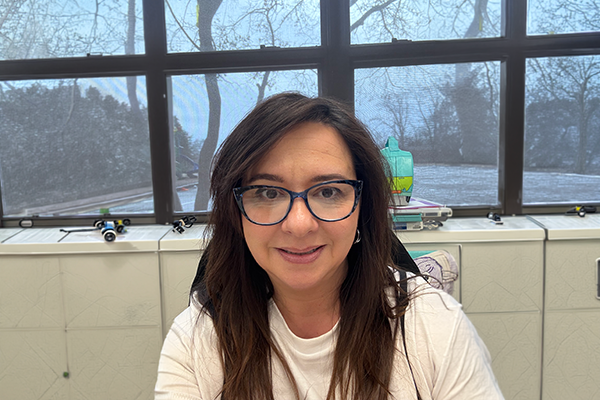
After a ruptured brain aneurysm in March 2026, an Itasca resident regained independence through collaborative care and rehabilitation at Ascension Alexian Brothers Rehabilitation Hospital.
After a ruptured brain aneurysm and 22 days in the hospital, 45-year-old Francesca Lesny continued her recovery at Ascension Alexian Brothers Rehabilitation Hospital in Elk Grove Village. Just weeks later, the Itasca resident was cleared to drive, preparing to return to work and building the endurance she needed for a family trip to Japan and Thailand.
Her progress surprised even members of her neurology, neurosurgery and interventional neuroradiology care teams. For Francesca, each milestone represented another step toward the everyday life she feared she might have lost.
A headache with brain aneurysm symptoms
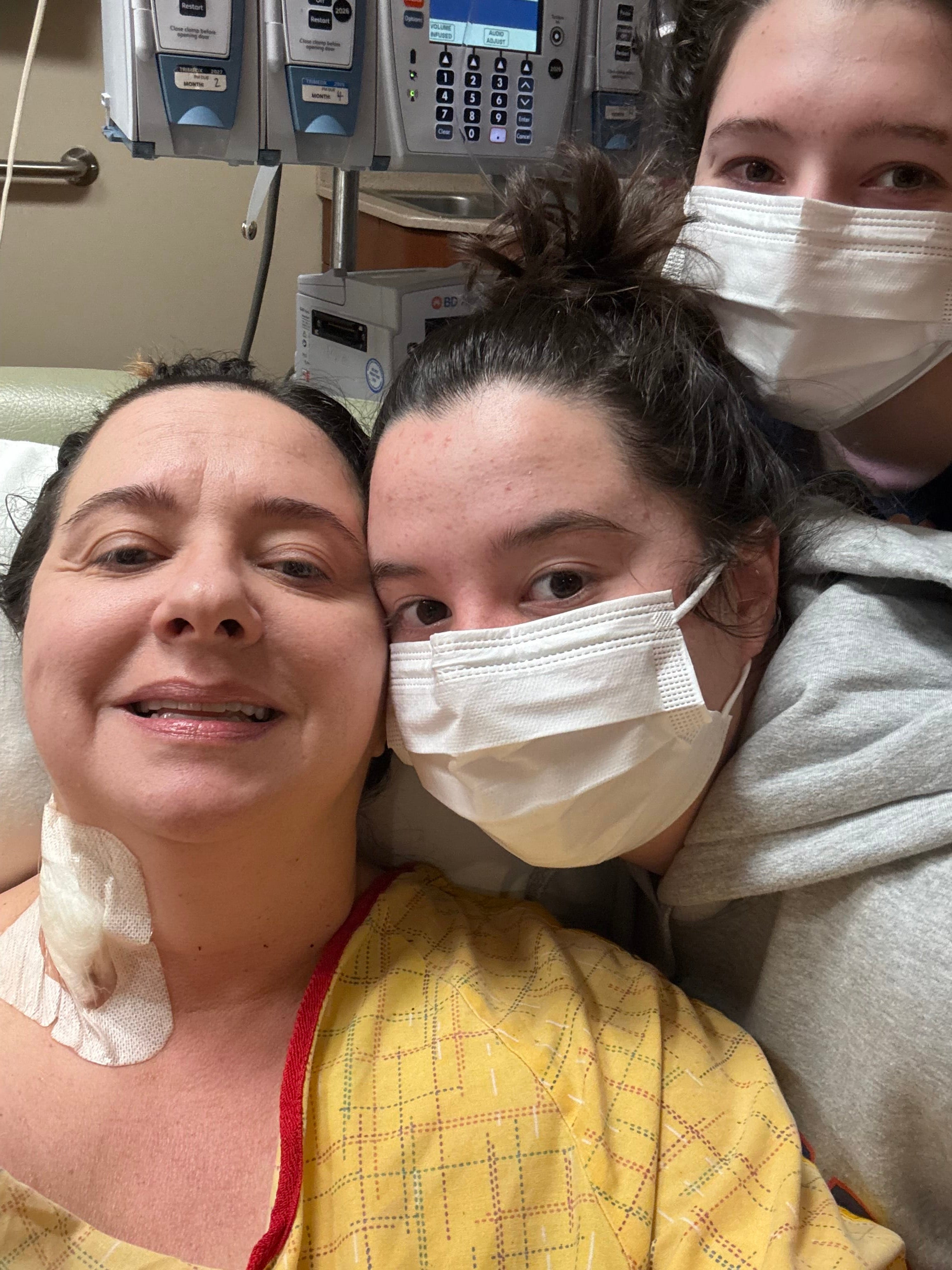
On the morning of March 1, Francesca woke up with a headache. She remembers very little about what happened next.
According to her husband, he left the family room briefly to prepare breakfast. When he returned, he found Francesca unconscious. She was brought to Ascension Alexian Brothers, where doctors determined that a ruptured brain aneurysm had caused a subarachnoid hemorrhage, also called an SAH. This is bleeding in the area surrounding the brain and requires immediate medical care.
The aneurysm came without warning. Francesca had no known underlying condition and had never experienced anything similar. Her doctors explained that aneurysms can sometimes run in families, and Francesca later shared that her grandmother had experienced a brain aneurysm at age 85.
During her hospitalization, Francesca experienced complications, including vasospasms, and needed additional procedures. She does not remember the night before the aneurysm, the emergency itself or much of the first two weeks of her hospital stay.
Although the missing memories remain difficult for her, Francesca is grateful that she retained her ability to think, communicate and move independently.
Collaborative brain aneurysm care and follow-up
Francesca’s care brought together specialists from neurology, neurosurgery and interventional neuroradiology.
Interventional neuroradiologists at Ascension Alexian Brothers use minimally invasive, image-guided procedures to diagnose and treat conditions affecting the brain, head, neck and spine. They work closely with neurologists, neurosurgeons, diagnostic radiologists, rehabilitation specialists and other members of the care team.
During a follow-up visit, neuroradiologist Timothy W. Malisch, MD, reviewed Francesca’s treatment with her and explained that the repair was stable. He reassured her that he had no concerns about her taking long trips or returning to her usual activities.
NeurologistAmeer T. Al Wafai, MD, also told Francesca that she could expect to resume her normal life. Hearing that reassurance directly from her doctors helped ease her fear that another emergency might happen.
Francesca will continue receiving follow-up care, including another brain scan and blood work. She has also completed a cardiology evaluation, which brought additional reassuring results.
Rehabilitation helped Francesca rebuild her strength
After 22 days in the hospital, Francesca continued her recovery at Ascension Alexian Brothers Rehabilitation Hospital.
Her earliest memories of recovery begin around the time she started inpatient rehabilitation. Before then, she had spent much of her hospitalization in bed. When she first began standing and walking, her legs felt shaky and weak, and she sometimes felt as though she might pass out.
Nurses stayed close as she practiced getting out of bed, walking, using the restroom, brushing her teeth and preparing for bed. Their support allowed her to complete more tasks herself while knowing help was nearby.
Those everyday activities helped Francesca rebuild more than physical strength. They helped restore her confidence and sense of independence.
After returning home, Francesca continued treatment through the Ascension Alexian Brothers Day Rehabilitation Program. Three days each week, she completed three hours of therapy:
- One hour of physical therapy
- One hour of occupational therapy
- One hour of speech therapy
Her physical therapy focused on movement, balance, endurance and strength. Early testing showed that her left side was weaker, particularly during grip-strength exercises. Speech and occupational therapy also supported her cognition, communication skills and ability to complete daily activities.
Although Francesca did not initially notice changes in her speech or thinking, regular testing allowed her therapists to measure her progress and continue adjusting her care plan.
Returning to work, hobbies and family travel
Francesca entered rehabilitation with clear goals. She wanted to return to work, regain her independence and have enough energy to participate fully in an upcoming family vacation.
When she first came home, walking up or down the stairs was difficult. By the end of rehabilitation, she was walking independently, completing her usual activities and keeping up with her family. She was also cleared to drive and was preparing to return to her job as an accounts receivable and accounts payable coordinator.
Francesca was able to return to the activities she enjoys, including sewing, crafting and crocheting.
One of her biggest motivations was a family trip that had been planned months before the aneurysm. Her family would travel to Japan and Thailand, where they planned to visit beautiful sights, learn more about her sister-in-law’s Thai heritage and meet extended family.
Before rehabilitation, Francesca worried that she would need to sit down frequently or miss parts of the trip. After completing therapy, she felt confident that she could walk, explore and keep pace with her family.
Family support and a new outlook on life
Francesca’s husband, children, parents and other family members supported her throughout her hospitalization and recovery. They visited frequently and helped keep her spirits up.
Her family had been told that her condition was serious. Being able to see her sitting up, speaking and participating in conversations gave them hope.
Francesca also found motivation by seeing the progress of other patients. At rehabilitation, some patients watched her complete activities and said they hoped to be able to do the same. Those moments made Francesca especially aware of how far she had come.
The experience also changed how she thinks about her life. I’ve been given a second chance, so I want to make the most of it,” Francesca said. “I want to slow down and enjoy every moment.”
Her advice to others beginning rehabilitation
Francesca encourages other patients not to judge their recovery by the first few difficult days.
During rehabilitation, she spoke with another patient who felt discouraged. She reminded him that he was only beginning his journey and that progress would come with time and continued effort.
Her message to others recovering from a brain aneurysm, stroke or neurological condition is simple: “Just show up. You’ll get there.”
For Francesca, showing up meant attending therapy, following her care plan, completing the work and allowing herself time to heal. Week by week, activities that once felt overwhelming became possible again.
Today, she is grateful to be home, grateful to be with her family and ready to return to the parts of life that matter most to her.
Learn more about brain aneurysm and rehabilitation care
Learn more about interventional neuroradiology at Ascension Illinois and the minimally invasive treatment options available for brain aneurysms and other neurological conditions.
Patients who need additional support after a stroke, brain injury, serious illness or surgery can also learn more about personalized inpatient and outpatient care at Ascension Alexian Brothers Rehabilitation Hospital.
If you or a loved one is experiencing warning signs of a brain aneurysm or stroke such as numbness, confusion, trouble speaking, dizziness or loss of balance, every second counts. It's important to call 911 and go to the nearest emergency room right away.
Last updated: agosto 19, 2026