5 summer safety tips for kids
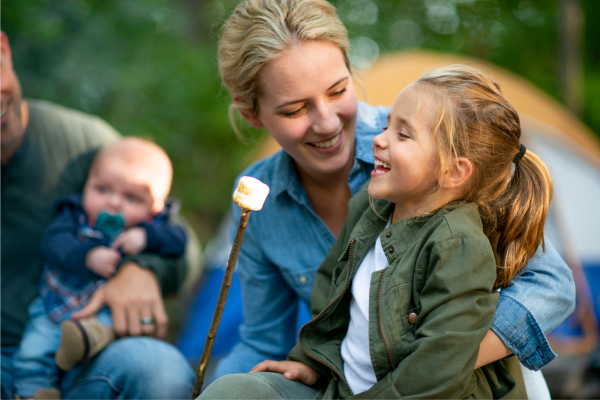
Ascension Wisconsin pediatrician Dr. Todd McKenzie shares five essential summer safety tips for parents to protect children from seasonal health risks during the summer months.

Summer in Wisconsin means more time spent outdoors, family vacations, sports, swimming in the lake, and making memories. While the warmer weather brings plenty of opportunities for fun, it also comes with seasonal health risks that parents should keep in mind.
Dr. Todd McKenzie, pediatrician with Ascension Medical Group Wisconsin - Oneida Street Pediatrics in Appleton, shares five practical tips to help families stay safe from common dangers that can occur throughout the summer months.
Protecting kids from insect bites
Mosquitoes, biting flies, gnats and ticks are common during Wisconsin summers. While many bites cause only temporary discomfort, some insects can spread serious illnesses. Dr. McKenzie advises the following suggestions reduce the risk of bites:
- After spending time outside, perform a thorough skin check to look for ticks and insect bites.
- Avoid walking or playing in tall grass where ticks are often found.
- Dress children in long sleeves and pants when spending time in buggy areas. Lightweight mesh jackets and pants can provide protection while keeping kids comfortable in warm weather.
- Use insect repellant containing DEET on children older than 2 months of age, but wash it off once they return indoors.
Parents should also know that many children experience significant reactions to insect bites. Redness, swelling, itching and discomfort during the first few days are common. Dr. McKenzie warns, “if symptoms persist or a child develops a fever or other concerning symptoms, contact your healthcare provider.”
Sun safety starts early
Sun protection is one of the most important ways to safeguard your child's long-term health. Too much sun exposure and repeated sunburns can increase the risk of skin cancer later in life.
For infants younger than 6 months, Dr. McKenzie recommends parents take the following into consideration:
- Avoid direct sunlight during peak hours between 10 a.m. and 3 p.m.
- Dress babies in lightweight clothing that covers their arms and legs.
- Seek shade whenever possible using umbrellas, stroller shades, trees or covered areas.
- Use a wide-brimmed hat to protect the face, ears, and neck.
Once children reach 6 months of age, sunscreen becomes an important part of their outdoor routine. Dr. McKenzie recommends:
- Using sunscreen with at least SPF 15.
- Applying sunscreen 15 to 30 minutes before going outdoors.
- Choosing mineral-based sunscreens containing zinc oxide or titanium dioxide when possible.
- Reapplying sunscreen every 90 minutes and immediately after swimming.
Even on cloudy days, harmful UV rays can reach the skin. “Kids want to be outside in the summer, and we want their skin to be protected,” said Dr. McKenzie.
Water vigilance saves lives
“Whether families are spending time at pools, lakes, beaches or water parks, supervision is the most important safety measure,” said Dr. McKenzie.
For toddlers, drowning often happens when they gain unexpected access to water, including pools, hot tubs and even shallow kiddie pools. It takes only a few inches of water for a child to drown.
According to Dr. McKenzie, parents and caregivers should:
- Keep toddlers within arm's reach whenever they are in or near water.
- Maintain constant supervision around water.
- Secure pools and other water sources to prevent unsupervised access.
Swimming lessons can also play an important role in reducing water-related risks. “Swimming lessons as young as a year of age have been shown to reduce the risk of drowning,” said Dr. McKenzie.
For children who are not strong swimmers - or anyone participating in boating, water skiing, tubing or similar activities - wearing a properly fitted life jacket is essential.
Adults should wear life jackets, too. “Parents set the example for their children,” Dr. McKenzie said. “Wearing a life jacket not only protects adults but also reinforces safe behaviors for kids.”
Recognizing dehydration
Children can become dehydrated or overheated more quickly than adults, especially during sports, camps and active outdoor play. One of the most important reminders for parents: don't wait until children say they're thirsty: "Thirst is a late sign of dehydration," Dr. McKenzie warned.
Make sure water is readily available and encourage children to drink frequently throughout the day.
Enjoy summer safely
Summer is a time for outdoor adventures and family fun. By taking simple precautions, families can help keep children healthy and safe all season long.
If you have questions about your child's health or summer safety, schedule an appointment with an Ascension Wisconsin pediatrician.
Last updated: julio 15, 2026