Understanding common shoulder injuries
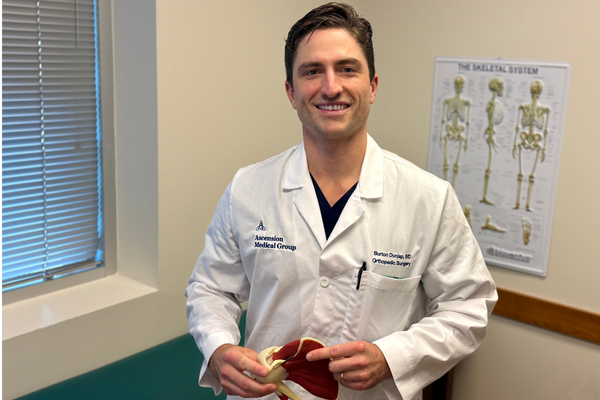
Orthopedic surgeon Burton Dunlap, MD, at Ascension Seton Orthopedics and Sports Medicine in Austin shares common shoulder injuries, symptoms to watch for, treatment options and when to seek specialized orthopedic care.
Whether you're playing pickleball, swimming, throwing a baseball or simply staying active, shoulder pain can make everyday activities difficult. While some soreness after exercise is normal, persistent shoulder pain shouldn't be ignored.
Burton Dunlap, MD, a fellowship-trained orthopedic shoulder surgeon at Ascension Seton Orthopedics and Sports Medicine, helps patients of all ages find relief from shoulder pain. From sports injuries to chronic shoulder conditions, he provides personalized care to help patients return to the activities they enjoy. As the team doctor for the Round Rock Express, the Triple-A affiliate of the Texas Rangers, he also cares for elite athletes and brings that expertise to every patient. Here, he shares the most common shoulder injuries, when to seek care and how to help prevent future injuries.
Common shoulder injuries
The shoulder has the greatest range of motion of any joint in the body, making it incredibly flexible — but also more vulnerable to injury. Because the shoulder relies on muscles, tendons, ligaments and cartilage to stay stable, even a small injury can affect everyday movements like reaching overhead, lifting groceries or getting dressed.
Some of the most common shoulder injuries Dr. Dunlap treats include:
- Rotator cuff injuries, including tendinitis, partial tears and complete tendon tears.
- Shoulder arthritis, which affects the cartilage that keeps the joint moving freely and pain free.
- Shoulder instability and dislocations, often caused by contact sports, falls or traumatic injuries.
These conditions are common among athletes and active adults, especially those who play pickleball, tennis, baseball, volleyball or swim regularly. Dr. Dunlap also sees shoulder injuries related to overuse in younger athletes and chronic wear and tear in adults as they age.
When is shoulder pain more than soreness?
It's normal to feel sore after trying a new workout or increasing your activity level. That soreness should gradually improve within a few days.
If your shoulder pain lasts longer than a week or isn't getting better with rest, activity modification or over-the-counter anti-inflammatory medication, it's time to be evaluated by an orthopedic specialist.
Other signs you shouldn't ignore include:
- A feeling that your shoulder is unstable or may "give out"
- Limited range of motion
- Pain after a fall or sports injury
- Pain that wakes you up at night
- Weakness when lifting or reaching overhead
A thorough physical exam is often the first step in identifying the cause of shoulder pain. Depending on your symptoms, your doctor may also recommend advanced imaging, such as an MRI or CT scan, to better understand the injury and determine the most appropriate treatment plan.
When is surgery needed?
Not every shoulder injury requires surgery. In fact, many shoulder conditions improve with mild treatments such as physical therapy, medication, activity modification and guided rehabilitation.
However, surgery may be recommended if you have:
- A complete rotator cuff tear
- A significant tendon injury
- Recurrent shoulder dislocations or instability
- Shoulder pain that continues for three to six months despite nonsurgical treatment
As a fellowship-trained shoulder specialist, Dr. Dunlap offers a full range of treatment options, from nonsurgical care to minimally invasive arthroscopic procedures and shoulder replacement surgery when appropriate. His goal is to recommend the treatment that best fits each patient's condition, lifestyle and long-term goals.
What does recovery look like?
Recovery from shoulder surgery takes time and commitment, but most patients gradually regain strength and function through rehabilitation.
Unlike many other orthopedic injuries, shoulder surgery typically doesn't require a cast. Instead, patients usually wear a sling for several weeks to protect the shoulder while it heals. Physical therapy plays an important role in restoring motion, strength and stability throughout recovery.
While every patient's recovery timeline is different, many people return to their normal daily activities within about six months.
How can you help prevent shoulder injuries?
Keeping your shoulders healthy starts with listening to your body. Pain is often your body's way of telling you that something needs attention.
Dr. Dunlap recommends these simple tips to help reduce your risk of injury:
- Stop or modify activities that cause pain beyond normal post-workout soreness.
- Mix strength training with cardio instead of repeating the same activity year-round.
- Young athletes should follow recommended pitch counts and avoid overuse.
- Include rest and recovery as part of your regular exercise routine.
Participating in a variety of activities instead of specializing in a single sport year-round can also help reduce repetitive stress on the shoulder, especially for younger athletes.
Most importantly, don't ignore persistent pain. Seeking care early can often prevent a minor injury from becoming a more serious problem.
Specialized care for complex shoulders
Because the shoulder is one of the body's most complex joints, diagnosing shoulder pain isn't always straightforward. The joint depends on muscles, tendons, ligaments and cartilage working together to provide both strength and mobility.
Dr. Dunlap specializes in treating everything from sports injuries to chronic shoulder pain. He believes patients should understand all of their treatment options and works closely with each person to develop a personalized care plan that supports their lifestyle and goals.
Don’t delay care for your shoulder pain
If shoulder pain is keeping you from sleeping, working or enjoying your favorite activities, don't wait to get it checked.
Schedule an appointment with Dr. Dunlap for a comprehensive shoulder evaluation. Whether your treatment includes physical therapy, minimally invasive surgery or another personalized approach, Dr. Dunlap and the Ascension Seton care team are here to help you get back to doing what you love.
Last updated: julio 20, 2026