Recognizing the signs of stroke could save a life
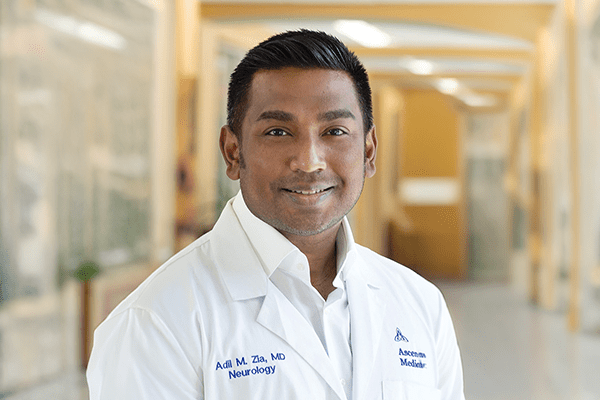
Adil Zia, MD, neurologist and stroke director at Ascension St. Vincent’s hospitals in Jacksonville, Florida, answers questions about stroke signs and symptoms.
Every minute matters when it comes to a stroke. During Stroke Awareness Month, it’s especially important to understand how to recognize the warning signs and take immediate action. A stroke occurs when blood flow to the brain is interrupted, either by a blockage or a bleed. Without oxygen-rich blood, brain cells begin to die within minutes, making fast recognition and treatment absolutely critical.
One of the simplest and most effective ways to remember the warning signs of stroke is the acronym B.E.F.A.S.T. Knowing B.E.F.A.S.T and acting on it can truly be the difference between recovery and long-term disability, or even life and death.
Adil M. Zia, MD, neurologist and Stroke Director for Ascension St. Vincent’s cares for stroke patients and understands the urgency around the condition.“Our hospitals offer rapid evaluation, ensuring that patients are assessed quickly upon arrival,” he shared. Dr. Zia answers common questions concerning stroke that can help you or a loved one act fast:
What is B.E.F.A.S.T?
B – Balance:
Sudden loss of balance, coordination, or dizziness can be an early warning sign of a stroke. If someone is having trouble walking or feels unsteady without explanation, it should not be ignored.
E – Eyes:
Watch for sudden changes in vision. This can include blurred vision, double vision, or a sudden loss of sight in one or both eyes.
F – Face Drooping:
Ask the person to smile. Does one side of the face droop or feel numb? This is one of the most recognizable stroke symptoms.
A – Arm Weakness:
Ask the person to raise both arms. If one arm drifts downward or cannot be lifted, it may indicate weakness or numbness caused by a stroke.
S – Speech Difficulty:
Listen carefully. Is speech slurred or hard to understand? Can the person repeat a simple sentence correctly? Difficulty speaking or understanding speech is a key warning sign.
T – Time to Call 911:
If any of these symptoms are present, even if they go away, call 911 immediately. Do not wait. Emergency responders can begin life-saving care on the way to Ascension St. Vincent’s and ensure the patient gets to the right place quickly.
Why B.E.F.A.S.T matters?
Time lost is brain lost. With each passing minute during a stroke, millions of brain cells are damaged. Early treatment can significantly reduce the risk of long-term disability and improve the chances of recovery. Treatments such as clot-busting medications and other advanced interventions are most effective when administered as quickly as possible after symptoms begin.
Unfortunately, many people delay seeking care because they are unsure if what they are experiencing is truly a stroke. That hesitation can have devastating consequences. Knowing BEFAST empowers you to act quickly and confidently.
How does Ascension St. Vincent’s care for stroke?
At Ascension St. Vincent’s, patients have access to high-quality stroke care when every second counts. All Ascension St. Vincent’s hospitals are Primary Stroke Centers, meaning they are specially equipped to rapidly diagnose and treat strokes.
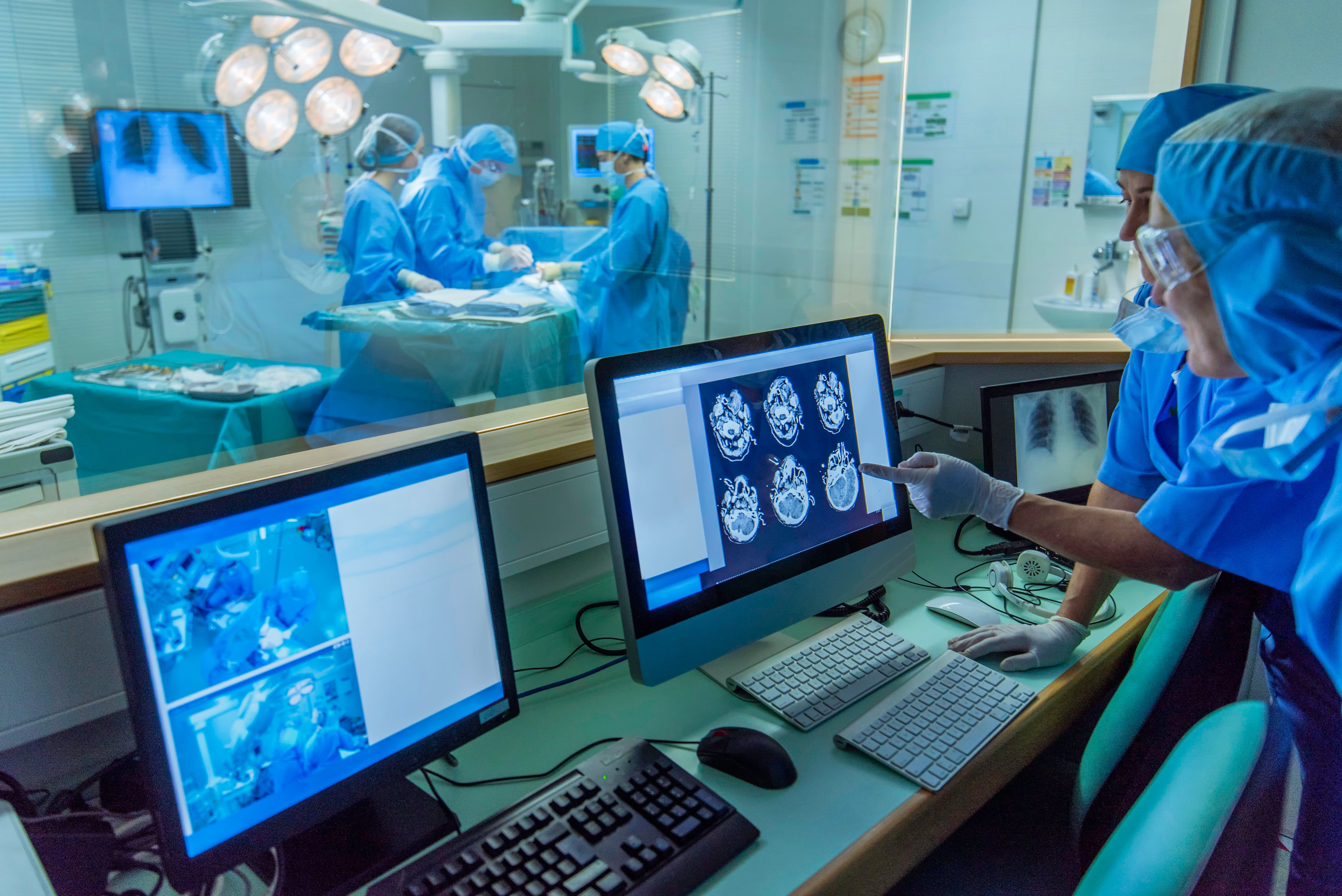
Advanced imaging technologies, such as CT scans and MRIs, are available to accurately determine the type and severity of the stroke [in addition to immediate treatment planning]. This is critical, as treatment varies depending on whether the stroke is caused by a clot or bleeding in the brain.
In addition, the highly trained clinical teams at Ascension St. Vincent’s, including emergency physicians, neurologists, radiologists, and rehabilitation specialists, are trained to minimize brain injury and improve patient’s chances of recovery and survival..
May is Stroke Awareness Month
Stroke awareness starts with education. Take a moment to commit B.E.F.A.S.T to memory and share it with your family, friends, and coworkers. You never know when you might need to recognize the signs in someone you love, or even yourself.
Also consider talking with your healthcare provider about your personal risk factors. Conditions such as high blood pressure, diabetes, smoking, and heart disease can increase your risk of stroke. Managing these conditions can play a significant role in prevention.
During Stroke Awareness Month, remember that recognizing the signs of stroke and acting quickly can save a life. If you see the signs, don’t wait. Call 911. Because when it comes to stroke, every second counts, and the right care, at the right time, can make all the difference.
Learn more about your risks and find care at Ascension St. Vincent’s.
If you or a loved one is experiencing warning signs of a stroke such as numbness, confusion, trouble speaking, dizziness or loss of balance, every second counts. It's important to call 911 and go to the nearest emergency room right away.
Last updated: mayo 18, 2026