Advanced Lung Care at Ascension Wisconsin
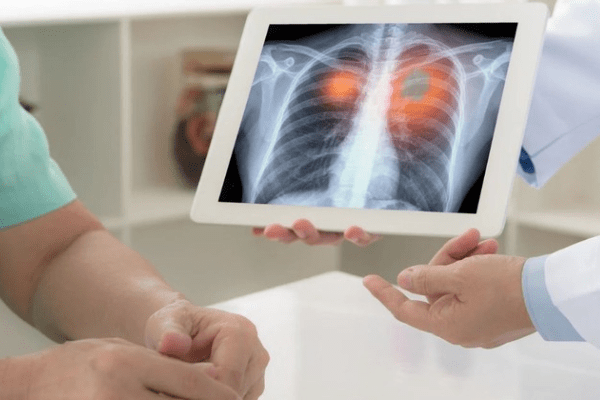
During Lung Cancer Awareness Month, Dr. Burak Gurses, an interventional pulmonologist at Ascension Columbia St. Mary’s in Milwaukee, explains how robotic bronchoscopy can help investigate lung abnormalities and detect lung cancer.
Lung cancer is often more treatable when detected early, making appropriate screening and timely follow-up especially important. When an abnormality is identified on a chest CT scan, additional testing may be needed to determine its cause. One option is robotic bronchoscopy: an advanced, minimally invasive procedure that allows physicians to reach and biopsy areas deep within the lungs.

For more information on robotic bronchoscopy, we asked Dr. Burak Gurses, a fellowship-trained interventional pulmonologist at Ascension Columbia St. Mary's in Milwaukee. Dr. Gurses specializes in early lung cancer detection through advanced diagnostic technologies, and he helps explain how robotic bronchoscopy works and who may benefit.
What is robotic bronchoscopy?
Robotic bronchoscopy uses advanced technology to help physicians navigate the lungs and obtain tissue samples from suspicious areas, including those located deep within the lung.
“The robotic bronchoscopy system is the most developed bronchoscopy platform in the world currently. It enables visualization of the airways and can reach very deep lung regions very effectively,” said Dr. Gurses.
Why might someone need a lung biopsy?
A lung biopsy involves collecting a small tissue sample from the lungs so it can be examined and help determine the cause of an abnormality.
“Lung biopsies may be necessary for various reasons, including lung nodules and certain chest CT abnormalities such as persistent infiltrates or consolidations,” explained Dr. Gurses. “They are performed to figure out if patients have any underlying cancer, infection or certain inflammatory disorders.”
Not every lung nodule requires a biopsy. However, nodules that are larger than a certain size or show growth over time may warrant further evaluation.
Who may be a candidate for robotic bronchoscopy?
People with abnormalities detected on a chest CT scan may be candidates for robotic bronchoscopy to help determine the underlying cause. Dr. Gurses explained that lung abnormalities can include: “nodules, infiltrates and consolidations,” along with other findings.
A physician will review the patient's imaging and medical history to determine whether a biopsy is appropriate. The decision depends on several factors, including the size, location and characteristics of the abnormality.
What happens during a robotic bronchoscopy procedure?
Robotic bronchoscopy is performed under general anesthesia. During the procedure:
- An anesthesiologist administers general anesthesia and places an endotracheal tube to support breathing.
- The physician guides the robotic camera through the airway toward the area that needs to be examined.
- Using imaging and other methods, the physician confirms the camera has reached the targeted abnormality.
- Small tissue samples are collected for testing.
- Once the procedure is complete, the patient is awakened and transferred to the recovery area.
“There is no cutting or stitching, and it is an outpatient procedure which is tolerated extremely well,” said Dr. Gurses.
How is robotic bronchoscopy different from other lung biopsy methods?
Unlike some traditional biopsy methods, robotic bronchoscopy allows physicians to access lung abnormalities from inside the airways. “Robotic bronchoscopy is significantly less invasive than surgical lung biopsies,” explained Dr. Gurses. “Today, we are able to get the diagnosis in the majority of cases without needing surgical biopsies.”
What are the risks of robotic bronchoscopy?
As with any medical procedure, robotic bronchoscopy has potential risks. However, Dr. Gurses says the procedure is generally well-tolerated, “Risks are minimal, and serious complications are very rare compared to other biopsy methods,” he says.
Patients may experience mild throat discomfort from the breathing tube or notice some blood in their phlegm intermittently for a few days following the procedure.
Dr. Gurses reports that the vast majority of his patients do not experience significant complications. Individual risks can vary, and patients should discuss their specific circumstances with their care team.
What happens after a lung biopsy?
“Everything that happens next depends on the results of the biopsies obtained with robotic bronchoscopy,” says Dr. Gurses. If testing identifies cancer or an infection, patients may be referred to the appropriate specialist to discuss treatment options. Other patients may simply need periodic chest CT scans to monitor an abnormality. In some cases, no additional referrals or follow-up may be necessary.
What should patients ask before scheduling a robotic bronchoscopy?
Understanding why a procedure is recommended and what to expect can help patients feel more confident and prepared. Dr. Gurses encourages patients to ask about:
- Why the procedure is being recommended and what the physician hopes to learn.
- Potential risks and complications.
- Instructions for preparing for the procedure.
- Where to arrive and what to expect on the day of the procedure.
- Recovery expectations and follow-up care.
Patients should also arrange for someone to drive them home after the procedure.
Take the next step toward better lung health
Lung cancer awareness starts with understanding your risk, recognizing the importance of appropriate screening and following up on concerning findings.
If you've been told you have a lung nodule or another abnormality on a chest CT, talk with your health care provider about whether additional testing or a referral to an interventional pulmonologist may be appropriate.
Learn more about robotic bronchoscopy and other lung screenings available at Ascension Wisconsin.

Talk with a doctor about your symptoms. Find a pulmonologist in your area.
Related Articles:
- Quit smoking years ago? You may still need lung cancer screening
- 7 reasons why you're feeling tired all the time
Last updated: noviembre 18, 2026