Why do I sweat at night? 8 common causes
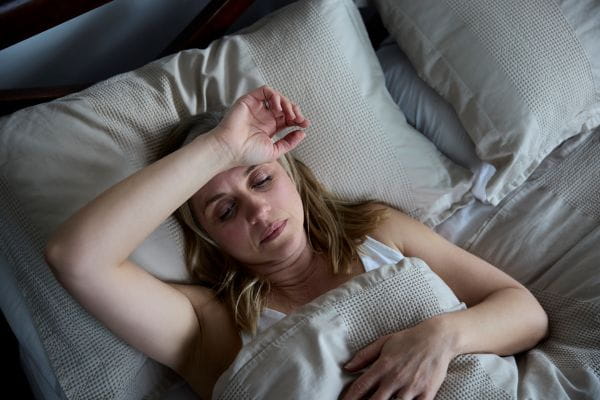
Night sweats can be caused by a warm bedroom, menopause, medication or something else entirely
Waking up a little warm is one thing. Waking up drenched — with pajamas or sheets soaked through — is another.
True night sweats can happen for a few reasons, like heavy bedding, stress or even alcohol. But repeatedly waking up covered in sweat can also be linked to hormonal changes, medications or certain health conditions.
The key is figuring out what's triggering the sweating, especially if it keeps happening or comes with other symptoms.
What are night sweats?
Most people sweat occasionally while sleeping. A warm bedroom, too many blankets or non-breathable sleepwear may be all it takes.
Night sweats are different. They are episodes of heavy sweating that soak your clothing or bedding even when you’re sleeping in a cool room or environment.
“Occasional sweating during sleep is common,” advanced practice registered nurse Andrew Fritz, DNP, APNP, explains. “You might wake up sweaty because you're bundled under a thick comforter or your bedroom is too toasty. But if you’re waking up drenched night after night, there may be another reason.”
One sweaty night is usually less concerning than sweating that keeps happening, wakes you up or occurs alongside other symptoms.
Think about whether you've noticed anything else, like:
- Did the sweating begin after a medication change?
- Are you also having hot flashes, fever, chills or a cough?
- Does it happen after alcohol, caffeine or spicy food?
- Are you snoring, gasping or waking up exhausted?
- Have you noticed menstrual or other hormonal changes?
These details can help your doctor narrow down possible causes.
Why do I sweat at night? 8 common causes
The reasons for night sweating can range from having a warm sleep environment to hormonal changes to stress.
Fritz shares eight possible reasons you may be waking up sweaty.
1. Your bedroom or bedding is too warm
A warm bedroom, heavy blankets or pajamas that trap heat can make you sweat while you sleep.
Sometimes, the fix is as simple as changing what's on your bed. A thick comforter or fleece pajamas might feel cozy when you first fall asleep but leave you overheated a few hours later.
Try lowering the room temperature, wearing lightweight sleepwear or switching to lighter bedding.
If you continue waking up drenched even in a cool room, something other than your sleep environment may be contributing.
2. Menopause or perimenopause
Hormonal changes during perimenopause and menopause can cause night sweats and hot flashes.
Perimenopause is the transition leading up to menopause, when hormonal changes can affect how your body regulates temperature.
You might wake up feeling suddenly hot, followed by sweating or chills. Some people also notice a racing heartbeat or interrupted sleep.
Other signs of perimenopause may include irregular periods, daytime hot flashes and mood changes.
Why are hot flashes worse at night?
Nighttime hot flashes can feel more intense because they interrupt sleep and leave you suddenly aware of your body. A warm room, alcohol, stress or heavy bedding may make nighttime symptoms more noticeable.
3. Medication side effects
Some medications can cause excessive sweating at night, including certain antidepressants, steroids, pain medications, hormone therapies and diabetes medications.
If you've recently started a new medication or changed your dose, think about whether the sweating began around the same time.
4. Stress or anxiety
Stress and anxiety can make you sweat at night, even when you're asleep.
“Stress activates your body’s fight-or-flight response which can increase your heart rate and sweating,” says Fritz.
Anxiety can also affect your sleep and lead to vivid dreams, nightmares, muscle tension or frequently waking up.
5. An infection or fever
Infections can cause night sweats, especially when your body temperature changes as a fever rises or falls.
Respiratory illnesses, including colds, flu and COVID, may cause sweating at night, along with symptoms like fever, chills, coughing, body aches or fatigue.
“If you’re feeling cold or have the chills, you might bundle up or pile on extra blankets,” says Fritz. “Then as your temperature changes, you may wake up sweating later.”
6. Alcohol, caffeine or spicy food
Alcohol, caffeine and spicy foods can sometimes contribute to sweating at night, especially if they’re consumed close to bedtime.
Alcohol can raise body temperature and trigger sweating later in the night, disrupting your sleep. Caffeine may also interfere with your sleep, especially if you're sensitive to it or have it later in the day.
Spicy foods can also make you sweat more than usual. That hot, flushed feeling you get after eating something spicy can sometimes happen close to bedtime.
Alcohol withdrawal can also cause sweating, anxiety, shaking and a racing heartbeat. If you regularly drink heavily, talk with a healthcare professional before suddenly stopping, because withdrawal can be extremely dangerous.
7. Low blood sugar or another health condition
Low blood sugar, also called hypoglycemia, can cause sweating along with shakiness, hunger, dizziness, confusion or a pounding heartbeat. It may be more likely in people with diabetes who take medications that lower blood sugar.
An overactive thyroid (hyperthyroidism) is another possible cause of night sweating. Hyperthyroidism can also cause symptoms such as weight loss, anxiety, diarrhea, tremors or a racing heartbeat.
Other possible medical reasons for excessive sweating at night include obesity and hyperhidrosis, a condition that causes heavy sweating.
8. Obstructive sleep apnea
Sleep apnea can cause night sweats in some people, especially if the sweating happens alongside loud snoring or interrupted sleep.
Sleep apnea causes breathing to repeatedly stop and start during sleep. “You may not even be conscious of these interruptions, but you might wake up feeling exhausted even after spending a full night in bed,” says Fritz.
Other signs of sleep apnea include:
- Gasping or choking during sleep
- Morning headaches
- Feeling deeply fatigued during the day
The relationship between sleep apnea and night sweats isn't fully understood, but disrupted breathing and frequently waking up may play a role, he adds.
What can you do about sweating at night?
You can try reducing night sweats by making a few simple changes.
- Keep your bedroom cool: Lower the thermostat or use a fan if your room feels too warm
- Choose lighter bedding: Swap a heavy comforter for thinner layers you can adjust during the night
- Wear breathable pajamas: Lightweight sleepwear may help you stay more comfortable
- Avoid alcohol, caffeine and spicy foods close to bedtime: If you do have any of these things, see if you can notice whether they make the sweating worse
- Pay attention to your stress levels: Notice whether particularly stressful days or poor sleep seem connected to your symptoms
Fritz recommends keeping track of your night sweats for a week.
Write down when they happen, whether your pajamas or sheets are soaked and anything else you noticed, such as fever, coughing, fatigue or hot flashes.
“This information can help you recognize patterns and give your healthcare provider a clearer picture of what may be going on.”
Next steps and helpful resources
Learn about primary care at Ascension Wisconsin

Last updated: November 11, 2026