Is kratom safe? What to know about its uses and risks
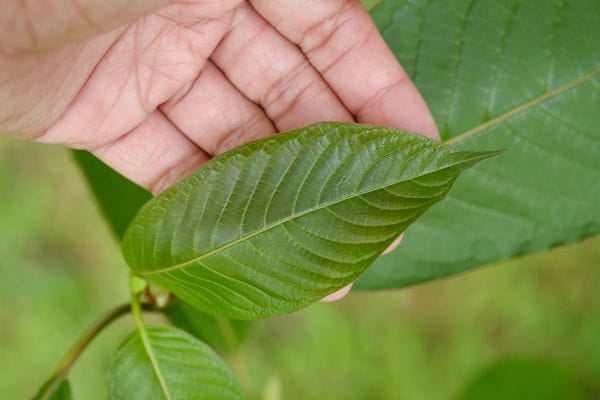
This plant-based product can cause serious side effects and dependence.
Because kratom comes from a plant and is available without a prescription, it's easy to assume it's relatively harmless. But being natural—or easy to buy—doesn’t make something safe.
Kratom contains chemicals that affect the brain in ways similar to opioids. It can cause side effects, lead to dependence, and in some cases, result in serious health problems. Dr. Rachel Tyler, a surgical critical care and trauma surgeon, explains what kratom is, why people use it and why its risks are important to understand.
What is kratom?
Kratom (Mitragyna speciosa) is an herbal supplement that comes from a tropical tree native to Southeast Asia. Its leaves have traditionally been chewed or brewed into tea to help with fatigue, discomfort and other symptoms.
The plant contains chemicals that affect the brain and nervous system, including two that interact with opioid receptors involved in how the body responds to pain, explains Dr. Tyler.
- Mitragynine: The main active chemical in kratom leaves. It interacts with opioid receptors in the brain and contributes to kratom's effects.
- 7-hydroxymitragynine (7-OH): A chemical found naturally in very small amounts in kratom leaves. It also acts on opioid receptors and can produce strong opioid-like effects.
Today, kratom is sold in the United States in powders, capsules, extracts, liquid shots and gummies.
Here's where things get complicated: Not every product labeled kratom contains the same ingredients or concentrations. Some newer products contain much higher amounts of kratom's active chemicals than traditional leaf preparations.
So two kratom products that look similar on the shelf may affect your body very differently.
Why do people use kratom?
People try kratom for different reasons, but often because they're looking for relief from something that's affecting their daily life.
Some people report feeling more energetic or alert after taking smaller amounts, while others describe more relaxing or sedating effects at higher amounts. The effects can also vary by product and person.
Common reasons people use kratom include:
- Pain relief to try to manage chronic pain or ongoing discomfort
- Energy to feel more awake or alert
- Mood to try to relieve anxiety, depression or stress
- Opioid withdrawal to try to manage cravings or uncomfortable symptoms when reducing or stopping opioid use
- Relaxation for its calming effects
But there's a difference between something people report using and a treatment that's been shown to work safely.
Research on kratom's potential benefits is still limited. The U.S. Food and Drug Administration (FDA) has not approved kratom to treat pain, anxiety, depression, opioid withdrawal or any other medical condition.
If you're using kratom to manage pain, anxiety or opioid withdrawal, there may be safer, better-studied treatments available, says Dr. Tyler. Your healthcare provider can help you explore options that address the reason you started using kratom in the first place.
Is kratom safe and are there health risks?
Kratom isn’t considered a proven safe treatment, and its risks include dependence and potentially serious side effects.
The risks depend on the product, how much and how often someone uses it, and whether it's combined with other substances.
Mild side effects of kratom can include:
- Nausea and vomiting
- Constipation
- Dizziness
- Drowsiness and sedation
- Sweating
- Itching
- Dry mouth
- Increased heart rate
More serious side effects of kratom include:
- Addiction
- Seizures
- Liver damage and liver failure
- Cardiac issues, including changes in heart rate and blood pressure
Why kratom products can be unpredictable
Just because two kratom products look similar doesn't mean they contain the same ingredients or have the same strength. The amount of active chemicals can vary considerably from one product to another, making it difficult to know exactly what you're taking or how your body might respond.
Some kratom products have also been found to contain harmful contaminants, including heavy metals and bacteria.
What you take with kratom matters, too. Combining it with alcohol, opioids or medications that cause drowsiness can increase the risk of serious side effects, including dangerous breathing problems.
Researchers are still studying kratom's long-term effects and how it interacts with medications.
What is 7-OH, and why is it a concern?
If you've seen products advertised as 7-OH, you may wonder whether they're just another form of kratom.
There's an important difference.
Kratom leaves naturally contain only trace amounts of 7-OH. But some newer products contain much higher concentrations of this opioid-like chemical. These products may be sold as tablets, gummies, drink mixes or liquid shots.
A familiar-looking gummy or drink doesn't necessarily mean you're getting a mild product.
“The important thing to understand is that concentrated 7-OH products aren't the same as traditional kratom leaves,” says Dr. Tyler. “These products can contain much higher amounts of an opioid-like chemical, which raises additional safety concerns.”
The FDA has warned about the risks of concentrated 7-OH products and recommends avoiding them. These products have not been proven safe or effective as a medication, dietary supplement or food additive.
Can kratom be addictive?
Yes, regular kratom use can lead to physical dependence, and some people develop addiction.
With repeated use, your body may become accustomed to kratom. Over time, you may find that you need more of it to experience the same effect. This is known as tolerance.
If your body has become physically dependent on kratom, cutting back or stopping can cause withdrawal symptoms. These may include feeling restless or irritable, trouble sleeping, sweating, nausea or other physical discomfort. One thing that's easy to miss is the difference between dependence and addiction.
Physical dependence means your body has adapted to a substance and may react when you stop taking it. Addiction, or substance use disorder, involves difficulty controlling use despite negative consequences.
Signs that kratom use may be becoming a problem include:
- Needing to take larger amounts to get the same effect
- Feeling unwell when you miss a dose or try to stop
- Having strong urges to use kratom
- Finding it hard to cut back or stop
- Continuing to use kratom even when it’s affecting your health, work or relationships
If you're using kratom regularly, especially to manage pain or avoid opioid withdrawal, talk to your healthcare provider as there may be safer treatments for what you’re trying to manage with it.
When to get emergency help after using kratom
Call 911 if someone who has used kratom experiences a seizure, has trouble breathing, collapses, or loses consciousness or cannot be awakened.
If you suspect a harmful reaction or aren’t sure whether an exposure to kratom is dangerous, contact Poison Control at 1-800-222-1222. The service is free, confidential and available 24 hours a day.
Helpful resources and next steps

Learn about Urgent care vs. the ER: How to know where to go
Last updated: November 20, 2026