“Ferritin face”: Can low iron change how you look?
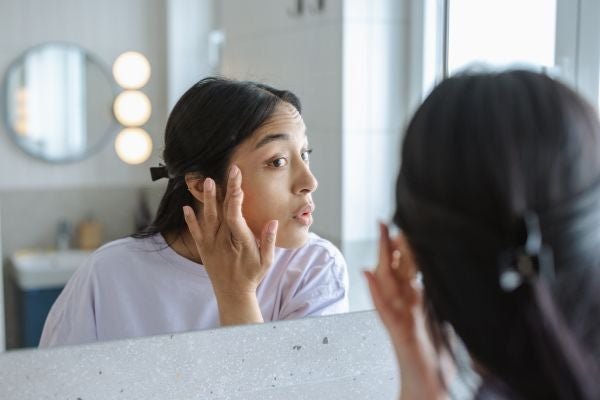
Pale skin and hair shedding can be linked to low iron, but dark circles aren’t a reliable clue.
Maybe you've noticed more hair than usual in your brush, or the dark circles under your eyes seem more noticeable lately. Then you come across a TikTok about “ferritin face,” and suddenly you're wondering whether your iron levels could be the reason.
The social media trend suggests that low iron can leave visible clues in your face and hair. But how much can your appearance really tell you about what's happening inside your body? Nurse practitioner Andrew Fritz, DNP, APNP, explains which clues may deserve a closer look.
What is “ferritin face”?
"Ferritin face" is a social media term for changes in appearance that people associate with low iron. It isn't a medical diagnosis, and there's no particular look that confirms your iron levels are low.
Ferritin is a protein that stores iron in your body. Think of it as your iron reserve. Your body needs iron to make hemoglobin, the protein in red blood cells that carries oxygen throughout your body.
When ferritin levels are low, it often means your iron reserves are running low. But here’s an important distinction: You can have low ferritin without having anemia.
Your iron stores can begin running low before your hemoglobin drops enough to cause anemia, Fritz explains. If iron deficiency progresses, it can lead to iron-deficiency anemia, which affects your blood’s ability to carry oxygen throughout your body.
Can low iron cause dark circles, pale skin or hair loss?
Some of the changes associated with “ferritin face” have more medical evidence behind them than others.
Pale skin
If your skin looks noticeably paler than usual, iron-deficiency anemia could be one explanation.
Lower hemoglobin levels can make skin appear less rosy or more washed out. Depending on your skin tone, Depending on your skin tone, changes may be subtle or easier to notice in areas such as the inside of your lower eyelids.
But not everyone with low iron looks pale, and looking pale doesn't necessarily mean you're anemic.
Hair shedding
Finding more hair in the shower drain or on your brush can be unsettling, especially when you can’t figure out what’s causing it.
Iron deficiency may contribute to hair shedding, but things like stress, hormonal changes, having a thyroid condition and recent illnesses can also play a role, says Fritz.
And the cause isn't always something that happened recently.
“Hair shedding can show up months after an illness or a stressful period, so the cause may not be obvious,” he adds. “Think back to what was happening before it started. That timeline can help your healthcare provider review the possible causes.”
Dark circles under your eyes
Here's where the “ferritin face” trend gets a little misleading.
Dark circles aren't a reliable sign of low iron. They’re commonly associated with genetics, allergies, lack of sleep and natural changes in the skin around your eyes.
Even if your dark circles look similar to photos you've seen online, that doesn't indicate on its own whether your ferritin is low.
What are other signs of iron deficiency?
Not all signs of iron deficiency show up in the mirror. Changes in how you feel may offer other clues.
Iron deficiency can leave you feeling unusually tired or weak, although some people have no noticeable symptoms.
Other possible signs of low iron, particularly if iron deficiency progresses to anemia, include:
- Getting short of breath more easily during everyday activities
- Feeling dizzy or lightheaded
- Frequent headaches
- An urge or craving to chew ice or other nonfood substances (which is called pica)
These symptoms can have other causes, too. Rather than focusing on one change in your appearance, consider whether you've noticed other differences in how you normally feel.
When should you get your ferritin levels checked?
If you're dealing with ongoing fatigue, getting winded more easily than usual or noticing excessive hair shedding (more than 50 or 100 hairs a day), ask your provider whether iron testing makes sense.
Your health history can offer clues, too.
Iron deficiency may be more likely if you have heavy menstrual periods, donate blood frequently, are pregnant, have a digestive condition that affects iron absorption or may not be getting enough iron through your diet.
Your provider may recommend blood tests, including:
- Complete blood count (CBC): Measures blood components, including hemoglobin, to help identify anemia.
- Ferritin test: Estimates how much iron your body has stored.
- Iron panel: Includes total iron, total iron-binding capacity (TIBC), and iron saturation to provide additional information about iron availability and transport.
Ferritin results are only one piece of the picture. Inflammation can raise ferritin levels, so your provider may look at other iron tests, your symptoms and your health history when interpreting the results.
Should you take iron supplements if you think you have a ferritin face?
No. Don’t start taking iron supplements based on changes in your appearance alone. Get your iron levels checked first to find out whether you actually need them.
If you've seen before-and-after photos of people who say their appearance improved after taking iron, it's understandable to wonder whether a supplement might help you, too.
But iron supplements aren't a general fix for dark circles or hair shedding. And while iron supplements can help treat iron deficiency, taking iron you don't need can cause nausea, stomach discomfort and constipation. Too much iron can also be harmful.
If testing confirms iron deficiency, your provider can recommend treatment and help determine why your iron stores are low in the first place.
So if “ferritin face” has you taking a closer look in the mirror, use that curiosity as a reason to ask questions, not diagnose yourself.
“Your symptoms, health history and blood tests can tell you much more than a photo,” says Fritz.
Next steps and helpful resources
Learn about primary care at Ascension Wisconsin
8 reasons you might have night sweats

Last updated: November 23, 2026