Are cold plunges good for you? Benefits and risks
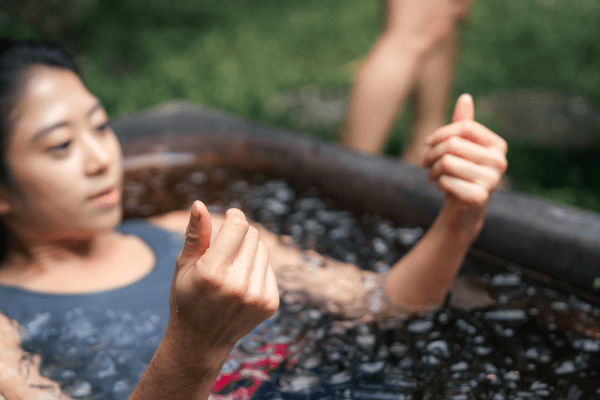
Ice baths may ease muscle soreness after exercise, but they aren't for everyone
Cold plunges seem to be everywhere lately, especially on social media. From athletes climbing into ice baths after a workout to influencers starting their mornings with an icy dip, cold plunges are touted as a way to improve energy, sleep and recovery. But are they actually good for you?
The answer depends on what you're hoping to achieve, says family medicine physician Dr. Alexander Richardson.
Cold plunges may help relieve muscle soreness after exercise, but many of their other reported benefits are less certain. And feeling less sore doesn't necessarily mean your body is recovering faster.
Before you take the plunge, here’s how cold plunges affect your body and how to decide whether they're worth trying.
What happens to your body during a cold plunge?
A cold plunge exposes your body to cold water, triggering an immediate physical response. Also called an ice bath or cold-water immersion, a cold plunge typically involves sitting or immersing part of your body in cold water. Water temperatures often range from 50 to 60 degrees Fahrenheit, although some people use colder water.
The moment you get in, your body reacts. You may gasp, start breathing faster or feel your heart pounding. Blood vessels near your skin narrow as your body works to conserve heat.
This is known as the cold shock response.
“That sudden jolt can leave you feeling more alert, which is part of the appeal,” says Dr. Richardson. “But it’s also a physical stress response that can put extra strain on your heart.”
What are the different types of cold plunges?
There are a few ways people take the plunge:
Ice baths: A bathtub or large container filled with cold water, sometimes with ice added to lower the temperature
Cold-plunge tubs or pools: Dedicated tubs or pools, often found at gyms, spas or homes, that use temperature controls to keep the water cold
Polar bear plunges: A quick dip into a chilly lake, ocean or other natural body of water, often as part of a group event or tradition
While all three expose your body to cold water, the risks aren't necessarily the same. Open-water plunges can introduce additional hazards, including currents, unpredictable water conditions and difficulty getting out safely.
What are the potential health benefits of cold plunges?
You may have heard that cold plunges can improve everything from workout recovery to your mood and immune system. But some of those claims have more research behind them than others.
Can cold plunges help relieve muscle soreness after exercise?
Yes, there’s some evidence that cold plunges can help reduce muscle soreness in the 24 to 48 hours after a tough workout.
If you've ever struggled to walk down the stairs the morning after a hard leg workout, you know the feeling.
Cold exposure can temporarily dull pain signals, which is related to how much pain you feel in your body.
But feeling less sore doesn't necessarily mean your muscles have fully recovered or are ready for an intense workout. Your body still needs time to repair and adapt.
And there's a difference between typical post-workout soreness and pain that could signal an injury.
“An ice bath might make sore muscles feel better temporarily, but it can’t tell you whether something is injured,” explains Dr. Richardson. “General muscle soreness is different from sharp pain in one spot or pain that changes the way you move. That’s not something you want to just push through.”
Can cold plunges improve your energy, mood or sleep?
That wide-awake feeling when you put your feet into cold water is real. Cold exposure activates your body's stress response, which can temporarily make you feel more alert.
You might also feel refreshed or even relaxed afterward, too.
But feeling good after a plunge isn't the same as proving it improves your long-term health. Some small studies suggest potential benefits for sleep or stress, while research on mood and mental health remains mixed and limited.
Cold plunges haven’t been established as a treatment for anxiety, depression or sleep disorders.
Do cold plunges help with weight loss or immunity?
No, cold plunges haven't been proven to lead to meaningful weight loss or prevent illness.
Your body does burn energy to stay warm in cold water, but that doesn't mean a regular ice bath will lead to lasting weight loss.
The claims about immunity are uncertain, too. Researchers are studying how cold exposure affects the immune system, but there's not enough evidence to say it will keep you from getting sick.
Can cold plunges interfere with muscle growth?
Here's something worth knowing if strength training is part of your routine: A cold plunge right after lifting weights may actually work against your muscle-building goals.
When you lift weights, you’re giving your muscles a reason to adapt and grow stronger. Some research suggests that regularly using cold-water immersion immediately after strength training may interfere with some of that process, potentially reducing muscle growth over time.
That doesn't mean that one ice bath will undo your progress, says Dr. Richardson. And the evidence isn't strong enough to say exactly how much cold exposure matters for everyone.
The timing of when you take a cold plunge may also factor in. Most studies have focused on cold plunges taken soon after strength training, so it's less clear what happens when you take them several hours later.
"Think about what you're training for," says Dr. Richardson. "If your goal is building muscle over the coming months, making an ice bath your automatic post-workout routine may not be the best choice. If you're trying to feel less sore between closely scheduled athletic events, the trade-off may be different. Your healthcare provider can help you figure out the right plan based on your goals."
What are the risks of cold plunges?
Cold plunges aren't risk-free, even if you're healthy and physically active.
The biggest concern is the sudden cold shock response. When you enter frigid water, your heart rate, breathing and blood pressure can all rise quickly. That can be particularly dangerous for people with certain heart or circulation conditions.
There are other risks to consider:
- Difficulty breathing or drowning: Cold shock can cause an involuntary gasp or rapid breathing. If your face goes underwater, you could inhale water.
- Numbness and reduced coordination: As your body gets colder, your hands and legs may become harder to control, potentially making it difficult to get out of the water safely.
- Hypothermia: Staying in cold water too long can cause your body temperature to drop dangerously low.
Who should talk to a doctor before trying a cold plunge?
If you have heart disease, high blood pressure, an irregular heartbeat, circulation problems, diabetes or are pregnant, check with your doctor before trying a cold plunge.
The same goes if you have a condition that affects your ability to sense temperature.
Cold exposure may put additional strain on your body or make it harder to recognize when you're getting dangerously cold.
Depending on your health history, your healthcare provider may recommend avoiding cold plunges altogether.
How to try a cold plunge more safely
If you’ve decided to give cold plunging a try, it’s best to ease into it.
“The goal isn't to see how much cold you can tolerate,” says Dr. Richardson.
He shares a few safety tips to keep in mind:
- Start with cool water, not ice-cold water: Gradually introducing your body to colder temperatures and giving yourself time to adjust may make the experience easier to manage.
- Keep your first exposure brief: There's no established ideal duration that works for everyone — and staying in longer doesn't guarantee greater benefits.
- Keep your head above water: The cold shock response can trigger sudden gasping, making it dangerous to submerge your face or hold your breath.
- Be cognizant of how much of your body is submerged: Going waist-deep is different from immersing your body up to your shoulders. More exposure can mean a more intense physical response.
- Have someone nearby: Friends don’t let friends plunge alone. Seriously. Make sure you can get out of the water easily and have help available nearby if needed.
- Know when to get out: If you feel dizzy, numb, unusually short of breath or unable to control your movements, end the plunge. Dry off and warm up afterward.
- Before leaving, secure the area: Keep children and pets away from the cold plunge to prevent accidental falls or unintended exposure.
Are cold plunges worth trying?
It depends on what you're hoping to get out of one.
If you're looking for temporary relief from sore muscles after a hard workout, a cold plunge may help. If you're hoping to lose weight, strengthen your immune system or significantly improve your mood or sleep, the research doesn't support those promises yet.
But you don't need an ice bath to be healthy or recover well from exercise, reminds Dr. Richardson.
“If you're curious about trying one, weigh the potential benefits against any risks and talk with your doctor before trying it. They can help you understand how cold exposure might affect you based on your health history and whether it's a good fit for your goals.”
Next steps and helpful resources
- Learn more about primary care at Ascension Saint Agnes
- 5 ways to stay active when it gets dark earlier
- Sciatica self-care: How to relieve low back and leg pain at home

Last updated: November 23, 2026