Leading Neurocritical Care in Central Texas
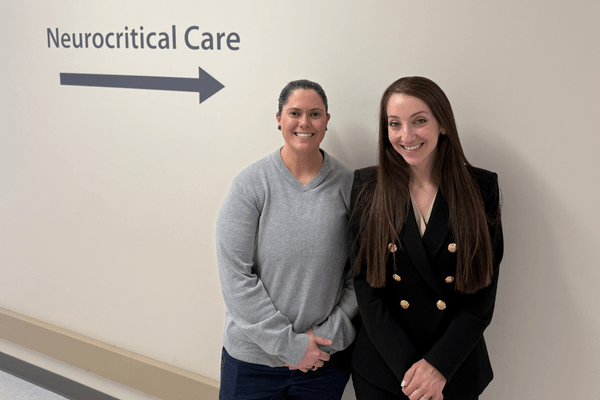
Since opening in 2023, Dell Seton Medical Center at The University of Texas has housed Central Texas’ only dedicated neurocritical care unit, treating patients with serious neurological illnesses and injuries.
When someone experiences a severe stroke, brain bleed, seizure or other neurological emergency, every second matters. Receiving specialized care from experts who understand the brain and nervous system can make a meaningful difference.
At Dell Seton Medical Center at The University of Texas, the Neurocritical Care Unit provides advanced, around-the-clock care for patients with life-threatening neurological conditions. Since opening in 2023, it stands as Central Texas' first and only dedicated neurocritical care unit, bringing together a highly specialized team focused on helping patients through some of their most critical moments. The dedicated neurocritical care team at Dell Seton includes Shahed Toossi, MD, medical director of neurocritical care; Alan Nova, DO; Navid Valizadeh, MD; and Jeff Miley, MD. They work alongside neurosurgeons, neurologists and endovascular specialists from the Seton Brain and Spine Institute as part of a multidisciplinary team providing comprehensive, coordinated care for patients with complex neurological conditions.
What is a neurocritical care unit?
A neurocritical care unit (NCCU) is a specialized intensive care unit designed for patients with serious brain and nervous system conditions. These include severe strokes, brain hemorrhages, traumatic brain injuries, prolonged seizures and other neurological emergencies.
Before Dell Seton opened its dedicated Neurocritical Care Unit, patients with these complex conditions were cared for in general medical or surgical intensive care units. While those teams continue to provide excellent care, a dedicated neurocritical care program offers additional expertise focused specifically on protecting the brain while caring for the whole body.
"We have specialized training and an understanding of how the whole body can affect the brain and how the brain can affect the rest of the body," said Shahed Toossi, MD, neurointensivist and medical director of neurocritical care at Dell Seton. "It's about giving patients the specialized care they need during a very critical time."
A team focused on every patient
Patients in the Neurocritical Care Unit are cared for by a multidisciplinary team with specialized training in neurological conditions. Physicians, advanced practice providers, residents and nurses work together to recognize even subtle changes in a patient's condition and respond quickly.
Many patients require care from multiple specialists. Someone with a ruptured brain aneurysm, for example, may first be evaluated through a stroke alert in the emergency department before receiving care from neurocritical care physicians, neurosurgeons and neurointerventional radiologists. Procedures may be performed within hours, followed by continuous monitoring and treatment in the Neurocritical Care Unit.
"Our attendings do a great job of teaching not only residents, but nursing as well," said Sam Desota, nurse manager of the Neurocritical Care Unit at Dell Seton. "It truly is a multidisciplinary team caring for patients 24 hours a day, seven days a week."
Patients and families are also supported by speech-language pathologists, physical and occupational therapists, dietitians, chaplains, and case managers. Together, the team helps patients recover while supporting families through difficult and often unexpected circumstances.
As patients improve, case managers help coordinate the next phase of care, whether that's inpatient rehabilitation, another care setting or returning home with additional support.
Caring for patients with stroke, brain injuries and other neurological emergencies
The 30-bed Neurocritical Care Unit cares for patients with a wide range of serious neurological conditions, including:
- Altered mental status
- Brain aneurysms
- Hemorrhagic stroke and brain hemorrhage
- Ischemic stroke
- Movement disorder emergencies
- Neuromuscular emergencies
- Patients recovering from complex neurosurgical procedures
- Seizures that do not stop (status epilepticus)
- Traumatic brain injuries
The program continues to grow to meet the needs of Central Texas. Originally opening with 15 beds in 2023, the unit expanded to 30 beds in 2024 to care for more patients with complex neurological conditions.
Celebrating every step toward recovery
Recovery after a neurological emergency often takes time. Even after some patients are discharged from the intensive care unit, they continue making meaningful progress through rehabilitation and ongoing therapy.
For the care team, some of the most rewarding moments happen long after the initial emergency.
Dr. Toossi remembers one patient who spent weeks in the Neurocritical Care Unit with little visible improvement. Then one day, everything changed.
"The nurses ran out, grabbed each other and started celebrating and clapping," Dr. Toossi said. "It was this moment of shared joy. That's why we do what we do."
Desota also remembers the compassion shown during an honor walk for a young organ donor. Associates lined the hallway to honor the patient while supporting the family and one another—a powerful reminder of the deep connections formed while caring for patients through life-changing moments.
Advancing neurocritical care in Central Texas
The Neurocritical Care Unit at Dell Seton continues to expand its services while investing in education, research and innovation. Future goals include increasing access to specialized care for patients with severe brain injuries, expanding clinical research opportunities and strengthening training programs for future neurocritical care specialists.
"If we're doing exactly the same thing in a year or two, that means we're doing something wrong, because we should be getting better every single year," Dr. Toossi said.
For patients and families across Central Texas, that commitment means access to highly specialized neurological care close to home—delivered by a compassionate team dedicated to helping every patient achieve the best possible recovery. To learn more about the dedicated unit as part of the Seton Brain and Spine Institute, click here.
Last updated: October 27, 2026