A parent’s guide to Halloween candy safety
Simple tips for helping kids enjoy Halloween safely
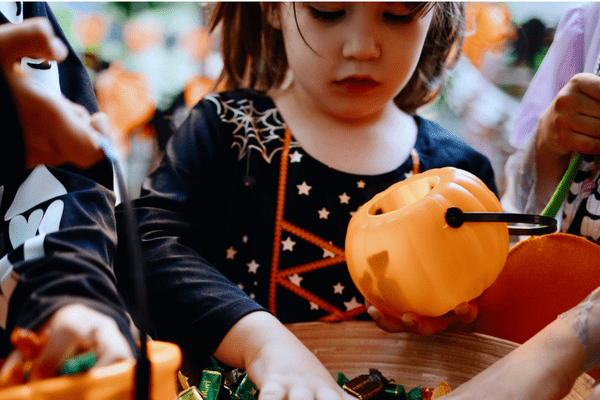
After a night of trick-or-treating, the fun continues at home as kids empty their bags, compare their candy and pick out their favorites.
But before the first wrapper comes off, it's worth taking a closer look at what they've collected.
We asked two pediatricians to share their advice on Halloween candy safety, including what parents should look for before letting kiddos dig in.
Before trick-or-treating, make a plan
Before heading out for the night, it’s a good idea to set some ground rules.
“Ask your kids to wait until you get home to eat their Halloween candy so you can check it first,” suggests Dr. Anita Pachikara, a pediatrician at Ascension Medical Group Illinois - Pediatrics Hoffman Estates. “If you think they'll be tempted to dig in along the way, bring a treat from home.”
If your kids have food allergies, talk with them about why they shouldn't trade candy with friends. A treat that's safe for one child may contain ingredients another child needs to avoid.
You can also look for teal pumpkins displayed outside homes, thanks to the Teal Pumpkin Project. “Teal pumpkin decorations signal that nonfood treats, such as stickers or small toys, are available for trick-or-treaters with food allergies or other dietary needs,” says Dr. Meskerem Nemomsa, a pediatrician at Ascension St. Vincent's Pediatrics - Lake Asbury.
If you have questions about food allergies or which Halloween treats are OK for your child's age, your pediatrician can always help.
What to look for when checking Halloween candy
Once you're home, take a few minutes to go through your child's candy together.
Look for torn, open or damaged wrappers, and discard anything that seems unusual. This also applies to any unwrapped or loose candy if you don’t know where it came from.
“Homemade treats may be well-intentioned, but unless you know and trust the person who made them, it's safest to skip them,” advises Dr. Pachikara.
Even if the packaging looks fine, some treats may not be appropriate for your child's age or dietary needs.
Here's what else to consider as you sort through their candy haul.
Watch for choking hazards
Hard candy, gum, nuts or nut candies and small toys can be choking hazards for young children. Round candies, like lollipops or gobstoppers, can block a child’s airway, while sticky treats like taffy or caramels can be difficult to chew and swallow.
“Consider your child's age and ability to chew when sorting through their candy,” says Dr. Nemomsa. “Set aside treats that may pose a choking risk, and encourage kids to sit down while eating rather than running or playing with food in their mouths.”
Check labels for food allergens
If your child has a food allergy, make sure to read ingredient and allergen labels before letting them enjoy their treats.
Common allergens can be found in many popular candies, including:
- Milk
- Peanuts
- Tree nuts
- Egg
- Wheat
Even miniature or seasonal versions of familiar treats may have different ingredients, so don't assume a candy is safe just because your child has eaten it before.
“If you can't confirm what's in a treat or whether it's safe for your child, it's best to skip it,” says Dr. Pachikara.
How much candy is too much?
Eating too much candy at once can lead to an upset stomach or nausea. But how much candy is too much?
“There's no single amount that's right for every child. Instead of letting kids eat everything in one sitting, consider having them choose a few favorites to enjoy and saving the rest for another day,” says Dr. Nemomsa.
“Try to keep regular mealtimes and avoid using candy as a reward or punishment,” adds Dr. Pachikara. “Setting reasonable expectations while giving kids some choice can help them enjoy their treats without making candy a source of conflict.”
Remember to store extra candy out of reach of younger siblings, and encourage kids to brush their teeth before bed.
What to do if your child eats something unsafe
Even with precautions, accidents can happen. If your child eats something that may be unsafe, remove the remaining product and save its packaging if possible. What to do next depends on their symptoms.
- If your child has an upset stomach: Avoid giving them more candy and monitor how they're feeling. Contact their pediatrician if symptoms persist, worsen or concern you.
- If your child has a severe allergic reaction: Symptoms such as difficulty breathing, throat swelling or fainting require emergency care. Follow your child's prescribed allergy emergency action plan (if they have one) and call 911.
- If your child is choking: If they can't breathe, speak or cough effectively, call 911 immediately and follow the emergency dispatcher's instructions for age-appropriate choking first aid.
- If you suspect poisoning: Call Poison Control at 1-800-222-1222 for guidance. If your child is unresponsive, having a seizure or experiencing difficulty breathing, call 911.
Most Halloween safety precautions are simple steps you can take before your kids start enjoying their treats. By knowing what to look for and when to get help, you can feel more prepared and focus on enjoying the holiday together.
Next steps and helpful resources
- How one teen found relief from a rare syndrome that made it hard to walk
- Why Russell and his mom make bracelets for kids with Type 1 diabetes


Last updated: October 22, 2026