Fibermaxxing: Can You Eat Too Much Fiber?
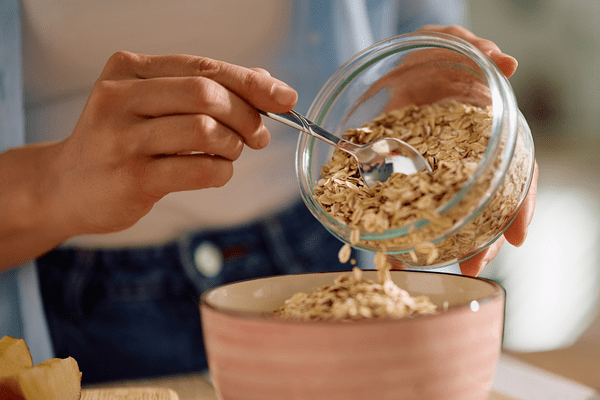
Fibermaxxing can help you eat more fiber, but too much too quickly isn't always a good thing. A gastroenterologist explains how to increase fiber intake safely.
Fiber is good for you. But is more always better?
That's the idea behind fibermaxxing, a social media trend focused on increasing your fiber intake to support gut health and feel fuller.
Many of us tend to focus on protein to build muscle and burn fat, count our calories and monitor our carbs or fats when we're trying to eat healthier. Dietary fiber doesn’t always get the same attention. But it plays an important role in supporting regular bowel movements, nourishing beneficial gut bacteria, and lowering cholesterol and blood sugar levels.
“The key is knowing how to increase fiber safely — without overwhelming your digestive system,” explains Dr. Raja M. Mohi-Ud-Din, a gastroenterologist at Ascension Sacred Heart Gastroenterology — Bay.
That’s why the increased conversation around gut health on social media is one that most nutritionists would agree is long overdue.
What is fibermaxxing?
“Fibermaxxing” is a social media trend focused on increasing how much fiber you eat, usually through fiber-rich foods like fruits, vegetables, beans, lentils, whole grains, nuts and seeds.
The word combines “fiber” with “maxxing,” a term often used online to describe maximizing a lifestyle habit. In the case of fibermaxxing, the goal is to increase fiber intake to support digestion, gut health and other wellness goals.
Many health and wellness content creators have leaned into fibermaxxing by producing content on topics like how much fiber a person should eat, recipe and meal-planning ideas to increase fiber intake and tips for consuming fiber safely. The trend has helped bring more attention to fiber, which can be helpful because many adults don’t get enough. But like many wellness trends, fibermaxxing can become less helpful if you try to do too much too fast.
“For most people, the goal shouldn't be to 'max out' on fiber," warns Dr. Din. "It should be to increase fiber gradually, drink water and pay attention to how your body responds.”
How much fiber do you need each day?
Dr. Din says that, in general, women should aim for about 25 grams of fiber per day and men should aim for about 38 grams per day. After age 50, the recommended fiber intake decreases to about 21 grams per day for women and 30 grams per day for men.
“Most adults don't get enough fiber each day. So if you’re currently eating much less than that, don’t try to reach your goal overnight,” he says.
It’s best to increase your fiber gradually over several weeks. This gives your digestive system time to adjust and may also help reduce side effects like bloating, gas or stomach discomfort.
Can you eat too much fiber?
Yes, you can eat too much fiber — especially if you increase your intake too quickly.
The issue isn't always the total amount of fiber. For many people, symptoms happen when they suddenly add a lot of high-fiber foods or fiber supplements before their digestive system has time to adapt.
Fiber also needs water to move through your digestive system. If you add more fiber but don't drink enough fluids, you may be more likely to feel constipated, bloated or just plain uncomfortable.
“Instead of trying to ‘max out’ your fiber intake, focus on slowly building toward the recommended daily amount by adding fiber-rich foods to your diet,” says Dr. Din.
If you have a digestive condition such as irritable bowel syndrome (IBS), Crohn's disease, ulcerative colitis or a bowel stricture, talk with your doctor before making major changes to your fiber intake.
Signs you may be eating too much fiber
Common signs that you may be eating too much fiber, or adding too much fiber too quickly, include:
- Bloating
- Constipation
- Diarrhea
- Gas
- Stomach cramping
“Mild digestive changes can happen when you start eating more fiber. But you shouldn't feel symptoms that are severe or don’t diminish,” says Dr. Din.
If you have symptoms that are severe, blood in your stool or unexplained weight loss, talk to a doctor.
High-fiber foods to add to your diet
The easiest way to get more fiber is by eating a variety of whole plant foods.
Dr. Din shares some of his favorites:
- Beans
- Broccoli
- Brown rice
- Chia seeds
- Leafy greens
- Lentils
- Raspberries
- Nuts
- Oats
“These are all excellent dietary fiber options that provide vitamins, minerals and other nutrients for gut health support,” he says.
You don't need to completely overhaul how you eat all at once. You can start by making small changes. You can try to include fiber-rich foods at every meal, like adding berries to your oatmeal at breakfast, a bean or lentil salad at lunch or roasted vegetables with whole grains at dinner.
Are fiber supplements a good idea?
Fiber supplements may help you meet your daily fiber goals if you’re not getting enough through food — but they shouldn't replace a balanced diet.
Whole foods provide fiber along with vitamins, minerals and other nutrients that supplements don’t fully replicate. For many people, adjusting your diet is the best place to start.
“Fiber supplements can also cause bloating, gas or constipation if you take too much too quickly or don’t drink enough water,” explains Dr. Din.
If you're considering a fiber supplement, start with a small amount, drink plenty of water and talk with your doctor if you have a history of digestive symptoms or experiencing new ones.
Trends like fibermaxxing may come and go, but the goal isn't to eat as much fiber as possible — it's to build a healthy, sustainable way of eating that includes fiber-rich foods, enough water and choices that work for your body.
Next steps and helpful resources
- Learn more about digestive health care at Ascension Sacred Heart

Last updated: September 30, 2026