Back-to-school ER care at Dell Children's

As children return to school, pediatric emergency care doctor Winnie Whitaker, M.D., at Dell Children’s shares what parents should expect and when to seek care.
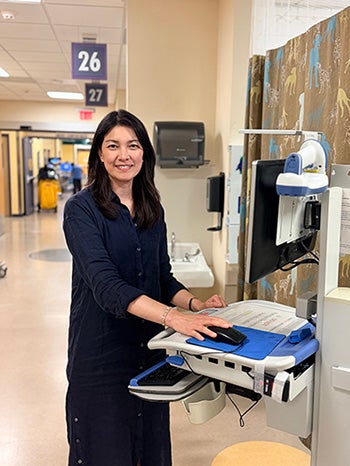 The first few weeks of school bring more than new teachers, fresh backpacks and busy schedules.
They also mark the beginning of one of the busiest seasons for pediatric emergency departments.
At Dell Children's Medical Center in Austin, Texas, doctors prepare for this seasonal trend every year. As children return to classrooms and spend more time together, viruses begin circulating again and sports seasons start, so everyday childhood injuries become more common.
According to Dr. Winnie Whitaker, Division Director of Pediatric Emergency Medicine at Dell Children's Medical Center, many of these illnesses and injuries are expected. Knowing what to watch for can help parents feel more confident about when to care for a child at home, when to visit a pediatrician and when it's time for emergency care.
Emergency room visits increase once school starts
During the first week or two of school, emergency departments at Dell Children’s locations in north Austin and in Mueller typically see a noticeable increase in patients.
"Kids are back together in close proximity after spending the summer apart," Dr. Whitaker said. "It's very common to see respiratory viruses and stomach illnesses begin circulating again once school starts."
Dell Children's plans for this seasonal increase of ER visits well before students return to the classroom, helping ensure teams are ready to care for the families who need them.
"We know it's coming," Dr. Whitaker said. "We closely watch when school districts begin, so we're ready to care for children throughout the season."
Both Dell Children's Medical Center and Dell Children's North provide pediatric emergency care 24 hours a day, seven days a week. Dell Children's Medical Center is the only Level I Pediatric Trauma Center in Central Texas and home to nationally ranked pediatric specialty programs. Dell Children's North is a Level III Trauma Center, offering comprehensive pediatric emergency care with coordinated access to the broader Dell Children's network of specialty services.
Know when to see a pediatrician or visit the ER
One of the biggest questions parents face during the school year is deciding where to seek care.
Your child's pediatrician should be your first call for most illnesses and injuries. They know your child's health history and can help determine whether your child can be cared for at home, needs an office visit or should seek additional medical care. If your child becomes ill at school, the school nurse may recommend following up with your pediatrician based on your child's symptoms.
If your child has mild symptoms, such as an ear infection, sore throat or fever without concerning symptoms, your pediatrician or an urgent care center may be the right place to start.
Urgent care centers can evaluate many common childhood illnesses and perform rapid testing for conditions such as:
- Influenza
- Strep throat
- Urinary tract infections
However, children experiencing more serious injuries or illnesses should be evaluated in an ER.
Parents should seek emergency care if they believe their child may need:
- X-rays
- Blood work
- IV fluids
- Stitches
- A cast or splint
- Emergency surgery
- Advanced imaging or specialist evaluation
Stomach viruses are common, but dehydration isn't
Stomach viruses are another illness care teams at Dell Children's commonly see when the school year begins in the fall.
Symptoms often include:
- Diarrhea
- Fever
- Stomach cramps
- Vomiting
While many children recover at home with supportive care, parents should pay close attention to signs of dehydration.
Some children simply need rest and fluids, while others may need anti-nausea medication or IV fluids if they're unable to keep liquids down.
"Most children recover well with supportive care," Dr. Whitaker said. "The biggest concern becomes making sure they're staying hydrated."
To help reduce the risk of dehydration, Dr. Whitaker recommends:
- Aim for pale yellow urine, which is a good sign of hydration.
- Avoid sugary drinks that can worsen diarrhea. If offering juice, dilute it with equal parts water.
- Encourage frequent small sips of fluids instead of drinking large amounts at once.
- Keep a reusable water bottle with your child throughout the school day.
Respiratory illnesses return as school begins
Respiratory illnesses are another reason families visit the emergency department during back-to-school season.
Although RSV receives a lot of attention in younger children, school-aged children are more likely to experience a variety of common viral respiratory illnesses that cause similar symptoms.
Symptoms often include:
- Cough
- Fever
- Nasal congestion
- Runny nose
Most viral respiratory infections improve with supportive care, including fluids, fever-reducing medications and rest.
"There are many different viruses that cause these symptoms," Dr. Whitaker said. "For most children, treatment is focused on helping them stay comfortable while their body recovers."
For younger children experiencing significant congestion, saline nasal spray may also help improve breathing, eating and sleep.
Children with asthma or a history of wheezing should be evaluated if respiratory symptoms worsen, as viral illnesses can trigger asthma flare-ups requiring treatment.
Playground injuries and sports bring another seasonal increase in orthopedic care needs
As recess, physical education classes and fall sports begin, Dell Children's also sees an increase in broken bones, sprains and other sports-related injuries.
While bumps and bruises are common, parents should seek medical evaluation if pain persists, swelling increases or a child is unable to walk or use an injured arm after several hours.
If imaging shows a fracture that doesn't require emergency surgery, ER doctors stabilize the injury before connecting families with nationally ranked orthopedic care at Dell Children's for follow-up.
"Our emergency department and orthopedic specialists work very closely together," Dr. Whitaker said. "Families can expect a seamless transition from emergency care to orthopedic follow-up when it's needed."
Preparing for a healthy school year
No parent wants to start the school year with a sick or injured child, but many illnesses and injuries are simply part of childhood.
Understanding what's common, knowing where to seek care and recognizing when symptoms require emergency evaluation can help families navigate the school year with confidence.
Whether it's a fever, stomach virus, broken bone or something more serious, the pediatric emergency specialists at Dell Children's Medical Center are ready to provide compassionate, personalized care whenever families need it.
This blog is intended for general informational use. Any health-related information shared is not meant to provide or replace professional medical advice and does not establish a patient-provider relationship. If you are experiencing a medical emergency, call 911 or go to the nearest emergency room.
Last updated: August 10, 2026