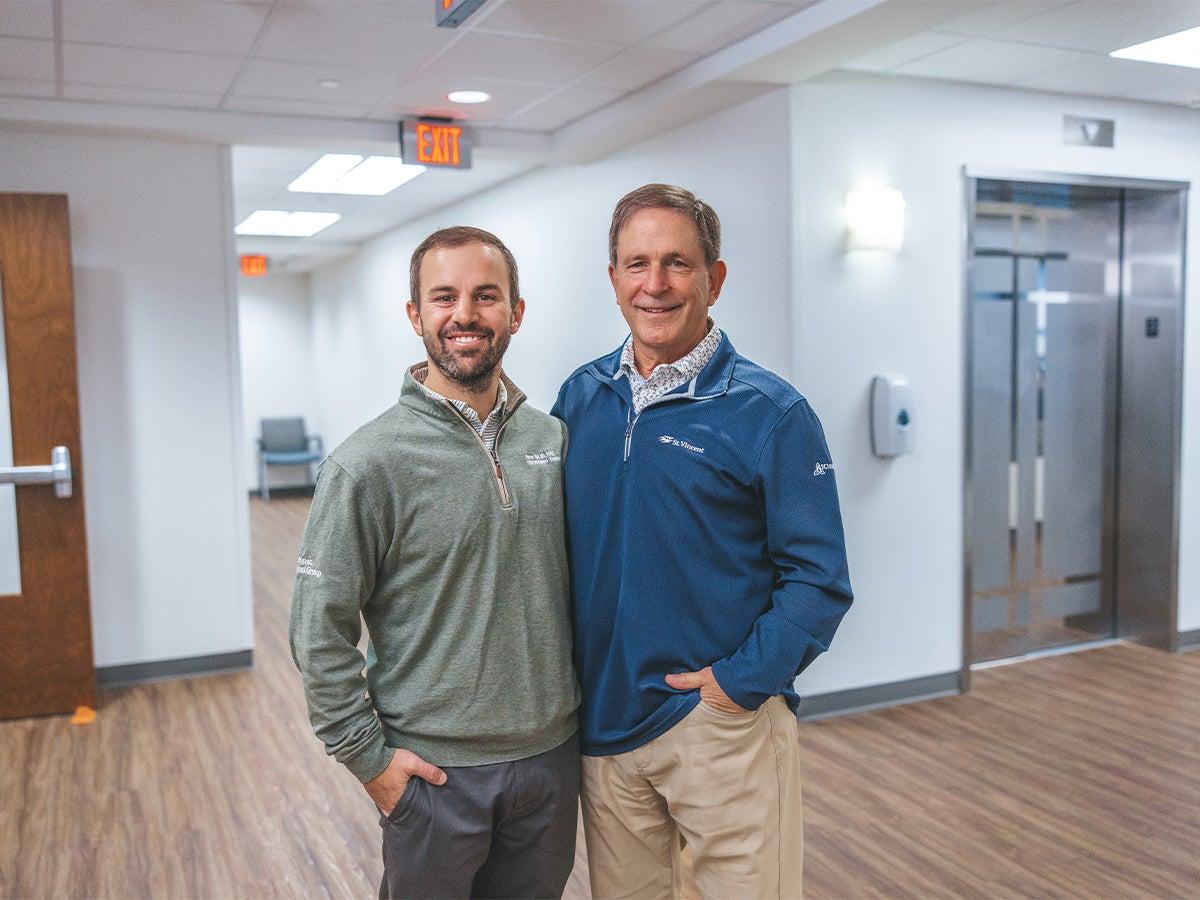
At Ascension St. Vincent Heart Center, father-son interventional cardiologists Michael and Kevin Ball share a calling, a specialty and a commitment to caring for patients.

Breast cancer is personal — and so is the way we care for you at Ascension St. Vincent
At Ascension St. Vincent in Indiana, our experienced breast cancer specialists are part of a national team of doctors, sharing best practices and advanced treatment options for breast cancer — bringing the best of oncology care close to home.
When you choose Ascension St. Vincent, you get a multidisciplinary team of doctors that prioritize early and personalized treatment, including board-certified, fellowship-trained breast surgeons, breast radiologists, medical oncologists and radiation oncologists, along with a care navigator and a dedicated team of oncology nurses, dietitians and cancer specialists.
Cancer is personal, and so is the way we care for you. At Ascension St. Vincent, you’re never alone. You’ll have face-to-face visits with your doctor and an entire care team, dedicated to your care — connecting the dots for you.
Your doctor and care navigator will take the time to answer all your questions — big and small. By getting to know you and working together, your care team develops a plan based on your goals and needs. And with a plan, comes hope. Our goal is to help you recover faster so you can get back to your daily life.
Along the way, your care may include imaging, lab tests, pharmacy support, physical therapy or other speciality services. You do not have to navigate your care alone. Upon your cancer diagnosis or when you come to us during your cancer care, you’re paired with a cancer care navigator to help coordinate appointments and connect you with the services you need.
Your doctors and care team at Ascension St. Vincent deliver a customized care plan for your cancer journey. We treat all types of breast cancer, including:
Cancer specialists who know you and your condition review your treatment and progress. Your care team focuses on identifying whether the tumor is noninvasive or invasive, determining where the tumor began and whether the cancer has spread. We use advanced molecular and genetic testing to help guide treatment planning.
To diagnose breast cancer, your doctor may recommend testing, such as:
The latest imaging supports mammogram screening and diagnostic tests for advanced care, including 3D mammograms, breast ultrasound, breast MRI, and magnetic seed and needle (wire) localization biopsy.
This new and innovative customized blood test is used to detect if breast cancer has come back after treatment. Cancer cells shed fragments of their DNA into the blood as they grow. This is called circulating tumor DNA, or ctDNA. Breast cancer studies have shown detection of ctDNA recurrence up to 10.5 months before imaging.
If you want to learn more about other cancer care options or would like to participate in one of our ongoing clinical trials, talk to your doctor to see what is available for you.
A molecular diagnostic test to help guide decisions about whether radiation therapy is needed after lumpectomy for ductal carcinoma in situ.
Breast reconstruction is surgery to create a new breast shape in place of a breast that has been removed (mastectomy). It can be done with implants or with tissue from another part of your body. Sometimes both are used to rebuild a breast shape. The breast mound created comes as close as possible to the shape and look of a natural breast.
Surgery may be done to reconstruct either one breast (unilateral) or both breasts (bilateral). The goal of the unilateral reconstruction is to create a breast mound that matches the other breast. If both breasts have been removed, the goal of the surgery is to create both breast mounds about the size of your natural breasts.
Hormones are chemicals made by glands, like the thyroid, pancreas, adrenal glands, ovaries and testicles. Hormones help some types of cancer cells grow. Some cancers that might be sensitive to hormones and be treated with hormone therapy include breast, prostate, thyroid, endometrial, and adrenal cancers. Hormone therapy can make the cancer cells grow more slowly or stop them from growing.
As a cancer treatment, hormone therapy may mean taking medicines that block the activity of the hormone, prevent the body from producing the hormone or alter the hormone. Sometimes hormone therapy involves surgically removing the gland that's making the hormones.
During a mastectomy, your surgeon removes all or part of your breast or breasts to treat breast cancer. There are several types of mastectomy, including total mastectomy and partial mastectomy. Your breast surgeon will discuss your options with you.
Helps restore breast sensation after certain mastectomy procedures. During a mastectomy, nerves are cut and removed with the breast tissue and this can lead to a large area of numbness and/or tingling at the mastectomy site. For nerve reinnervation the targeted nerves are dissected free from the surrounding tissue and those selective nerves are repaired by the plastic surgeon to help restore sensation to the mastectomy site.
Specially trained physical therapists deliver therapy to help manage lymphedema symptoms, such as swelling and pain.
Advanced radiation therapy is used to target and destroy cancer cells while preserving the surrounding healthy tissue.
Get the confidence and peace of mind that your doctor and care plan are right for you. It's easy to get a second opinion at Ascension St. Vincent. We can review your medical records and healthcare history to answer your questions and discuss options.
When you are facing a new breast cancer diagnosis or are deciding on a surgical or therapeutic treatment plan, there’s a lot to think about. Our breast cancer specialists in Indianapolis can provide a second opinion, based on our experience and as part of a national team of care.
Before your appointment, check with your insurance company to find out if a second opinion is covered. We can request your medical records on your behalf, so they can be shared with your care team before your arrival.
The Women’s Health Boutiques at Ascension St. Vincent in Carmel and Ascension St. Vincent Women and Infants Hospital in Indianapolis offer health-related items for cancer care and more. Our compassionate team can help you find items that support your care and recovery.
At Ascension St. Vincent Cancer Center, your doctor and care team get to know you well, and you’ll receive care for the whole person — from physical health and well-being to mental and emotional health to support for your family and caregivers. We provide innovative medication treatments, the latest surgical technologies and techniques, high-tech radiation facilities and support services. Our breast surgeons are part of a national team of cancer specialists sharing the latest in cancer care knowledge and research.
Our Indianapolis breast cancer specialists offer many advanced treatments, including:
Featured locations
Ascension Medical Group St. Vincent - Carmel Breast Care
13420 N. Meridian St.
Carmel, IN 46032
Ascension Medical Group St. Vincent - Evansville Cancer Care and Hematology
3699 Epworth Rd.
Newburgh, IN 47630
Ascension St. Vincent Kokomo Cancer Center
1907 West Sycamore St
Kokomo, IN 46901
Ascension Medical Group St. Vincent - Fishers Breast Care
13914 Southeastern Pkwy Ste 302
Fishers, IN 46037
Ascension Medical Group St. Vincent - Kokomo Breast Care
305 S Berkley Rd Ste 100
Kokomo, IN 46901
If you are experiencing a life-threatening emergency, go directly to the ER or call 911.
All registered marks are property of their respective owners. All rights reserved.
At Ascension St. Vincent Heart Center, father-son interventional cardiologists Michael and Kevin Ball share a calling, a specialty and a commitment to caring for patients.
August 4, 2026
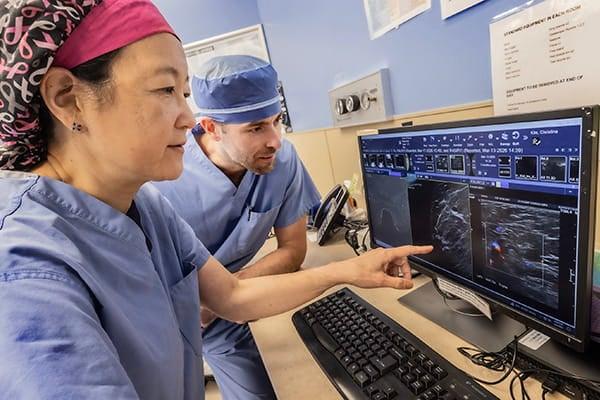
Learn how robotic single-port mastectomy and coordinated breast reconstruction give select patients a new minimally invasive surgical option through multidisciplinary care at Ascension St. Vincent Fishers.

June 11, 2026
Visit the ER for serious illness or injuries when you need emergency care. Visit urgent care for minor injuries or illnesses that need same-day care.
May 15, 2026
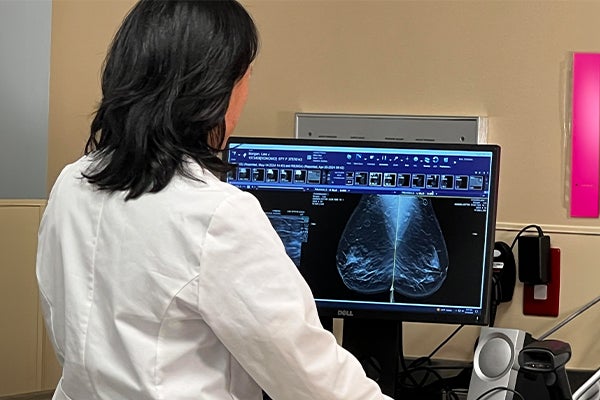
Christina J. Kim, MD, breast surgical oncologist at Ascension St. Vincent in Fishers, Indiana, shares why even after age 50, you should still follow breast screening guidelines.

Ann Andersen has spent her 60 years caring for patients and building lasting connections across generations of nurses at Ascension St. Vincent Evansville.
February 16, 2026
An Indianapolis mother of three shares a message of hope while undergoing cervical cancer treatment at Ascension St. Vincent.

January 2, 2026
Susan Benson, MD, gynecologist at Ascension St. Vincent Women’s Health, shares why women don’t have to suffer through menopause with a personalized treatment plan.
October 2, 2025
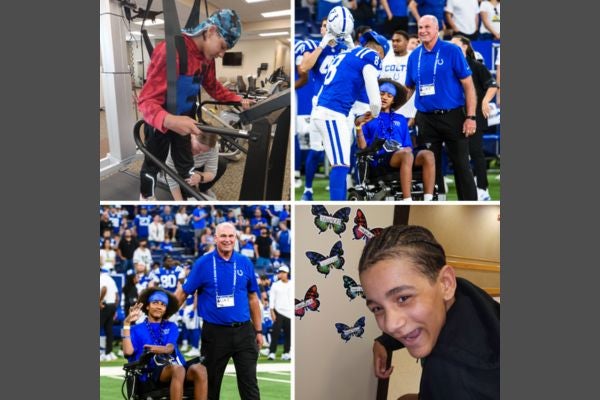
Peyton Manning Children's Hospital patient served as the "Coin Toss Kid" at Lucas Oil Stadium during the Colts game in Indianapolis.
October 2, 2025
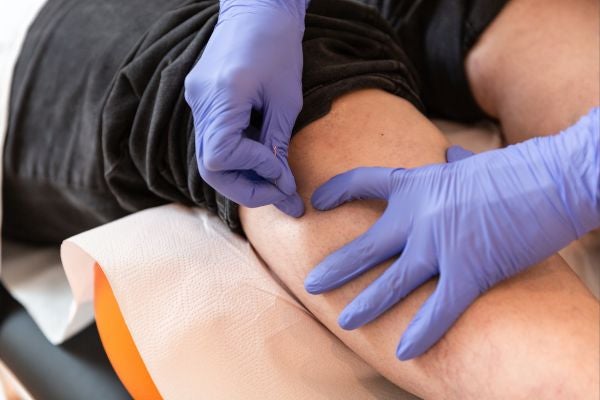
Physical therapists at Ascension St. Vincent across Indiana use dry needling to help with muscle injuries by easing pain and helping you move better.
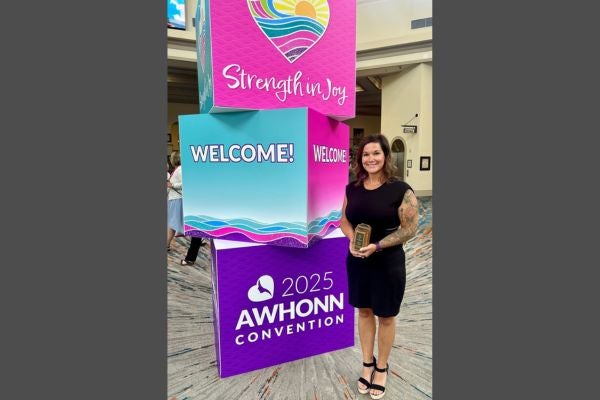
Miranda Wahnsiedler, MSN, BS, AGCNS-BC, RNC-OB, C-ONQS, was recognized by the Association of Women’s Health, Obstetric and Neonatal Nurses for her dedication to the improvement of women’s health.

The new Lucas Family Brain and Spine Hospital at Ascension St. Vincent in Indianapolis, IN, was thoughtfully designed to promote healing and reduce anxiety through intentional choices, while honoring heritage and community.
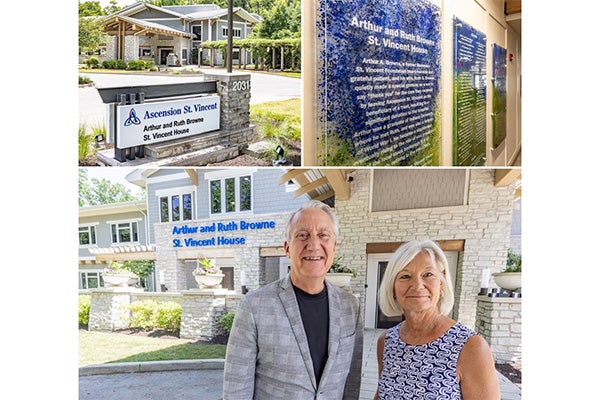
Ascension St. Vincent renamed its hospitality house in recognition of a legacy gift from a couple whose gratitude for the care they received inspired a remarkable act of giving.
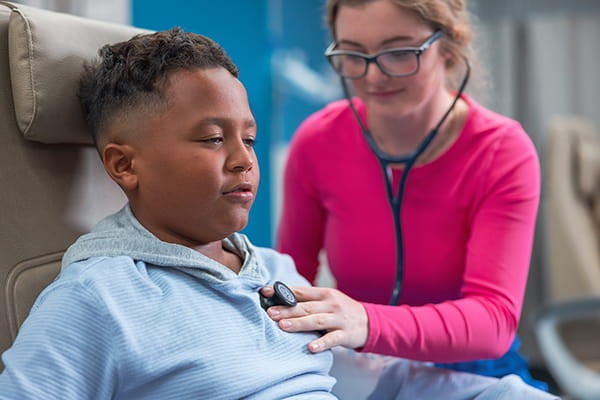
The newly expanded Hilbert Pediatric Emergency Department at Peyton Manning Children’s Hospital provides Central Indiana families with greater access to high-quality, specialized emergency care.

If incidents occur this Fourth of July, knowing where and when to get immediate and emergency care is important.

June 23, 2025
Ascension urgent care and orthopedic teams are here to help you manage your summer injury.

Ascension St. Vincent announces its new brain and spine hospital will be named Lucas Family Brain and Spine Hospital at Ascension St. Vincent. The name honors the donation from an Indianapolis family for their generosity and partnership.

Heather Wiselogle, academic liaison at Peyton Manning Children’s Hospital helped to make her late patient’s dream come true.

The new Ascension St. Vincent Brain and Spine Hospital will be the premier destination for cranial and spine care, ensuring that Indiana families have access to the best care close to home.
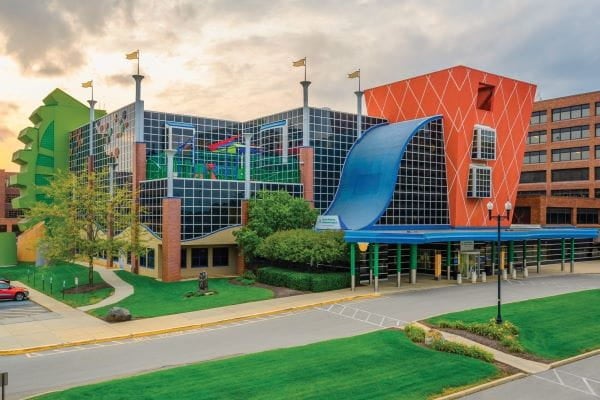
October 23, 2024
Ohio and Indiana health systems focus on providing complex heart surgery, cardiology services closer to home

Advanced care for women and infants now open in Indianapolis with the Women and Infants Hospital on the Ascension St. Vincent Hospital campus.
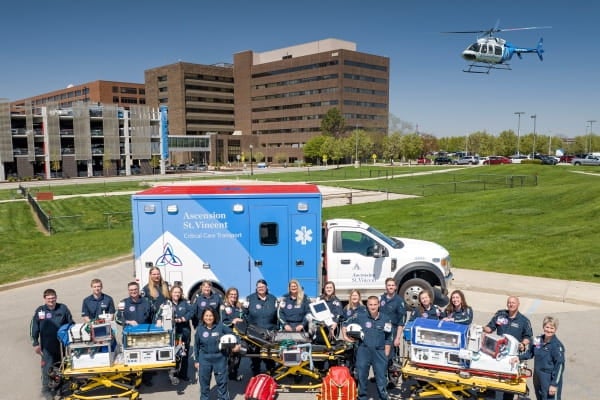
Peyton Manning Children’s Hospital is a verified Level I Pediatric Trauma Center in Indianapolis treating children with life-threatening injuries.
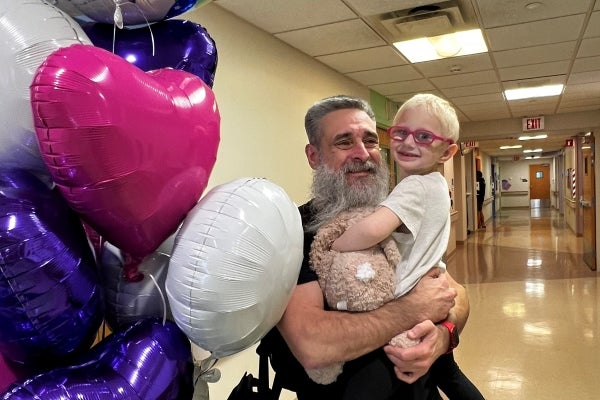
Emergency care team at Peyton Manning Children’s Hospital in Indianapolis, Indiana, tell parents that CPR helped save their daughter’s life.

Peyton Manning Children’s Hospital kidney transplant team plans a Big Ten championship watch party for a longtime kidney patient in Indianapolis.
February 14, 2024
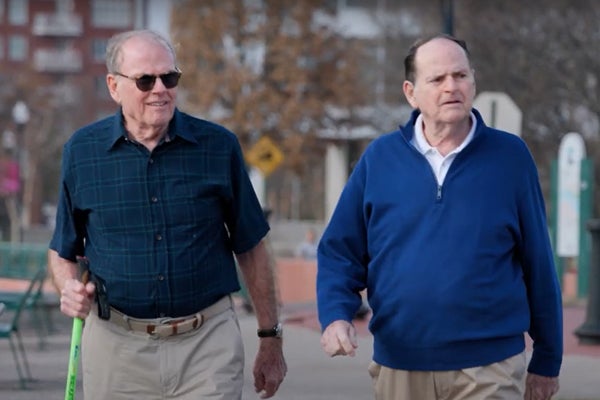
Brothers Mike and Steve Vandeveer undergo a minimally invasive heart surgery known as TAVR which helps shorten recovery time and reduce the risk of infection.
August 4, 2026
Learn how robotic single-port mastectomy and coordinated breast reconstruction give select patients a new minimally invasive surgical option through multidisciplinary care at Ascension St. Vincent Fishers.
June 19, 2026
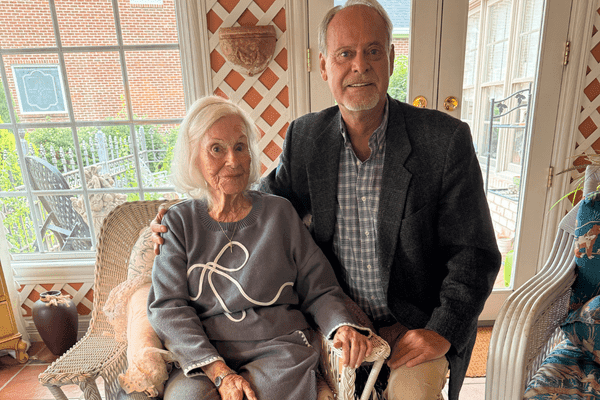
Learn the story behind Evansville's Kempf Bipolar Wellness Center Support Group and how it supports people living with bipolar disorder through connection, hope and community.
June 11, 2026
Visit the ER for serious illness or injuries when you need emergency care. Visit urgent care for minor injuries or illnesses that need same-day care.
May 15, 2026
Christina J. Kim, MD, breast surgical oncologist at Ascension St. Vincent in Fishers, Indiana, shares why even after age 50, you should still follow breast screening guidelines.
October 2, 2025
Peyton Manning Children's Hospital patient served as the "Coin Toss Kid" at Lucas Oil Stadium during the Colts game in Indianapolis.
October 2, 2025
Physical therapists at Ascension St. Vincent across Indiana use dry needling to help with muscle injuries by easing pain and helping you move better.
Miranda Wahnsiedler, MSN, BS, AGCNS-BC, RNC-OB, C-ONQS, was recognized by the Association of Women’s Health, Obstetric and Neonatal Nurses for her dedication to the improvement of women’s health.
The new Lucas Family Brain and Spine Hospital at Ascension St. Vincent in Indianapolis, IN, was thoughtfully designed to promote healing and reduce anxiety through intentional choices, while honoring heritage and community.
The newly expanded Hilbert Pediatric Emergency Department at Peyton Manning Children’s Hospital provides Central Indiana families with greater access to high-quality, specialized emergency care.
If incidents occur this Fourth of July, knowing where and when to get immediate and emergency care is important.
June 23, 2025
Ascension urgent care and orthopedic teams are here to help you manage your summer injury.
Ascension St. Vincent announces its new brain and spine hospital will be named Lucas Family Brain and Spine Hospital at Ascension St. Vincent. The name honors the donation from an Indianapolis family for their generosity and partnership.
The new Ascension St. Vincent Brain and Spine Hospital will be the premier destination for cranial and spine care, ensuring that Indiana families have access to the best care close to home.
Advanced care for women and infants now open in Indianapolis with the Women and Infants Hospital on the Ascension St. Vincent Hospital campus.
Peyton Manning Children’s Hospital is a verified Level I Pediatric Trauma Center in Indianapolis treating children with life-threatening injuries.
Emergency care team at Peyton Manning Children’s Hospital in Indianapolis, Indiana, tell parents that CPR helped save their daughter’s life.
Peyton Manning Children’s Hospital kidney transplant team plans a Big Ten championship watch party for a longtime kidney patient in Indianapolis.
February 14, 2024
Brothers Mike and Steve Vandeveer undergo a minimally invasive heart surgery known as TAVR which helps shorten recovery time and reduce the risk of infection.